Winter illness planning is back on the household agenda as Health New Zealand's Winter Plan 2026, Pharmac's flu vaccine guidance and PHF Science's respiratory surveillance material all point to the same practical message: people should prepare before they are unwell, not after. Health NZ says its winter plan is built on prevention, primary care, emergency departments and hospitals, and timely discharge. It specifically encourages vaccination, early use of primary care, preparation at home and having a plan if someone becomes sick.
Pharmac's 2026 flu season page adds detail for families trying to decide what to do now. It says getting a flu vaccine helps reduce the risk of becoming seriously ill or needing hospital care. It also says the funded Influvac Tetra vaccine is available for people most vulnerable to severe flu, including everyone aged 65 and over, pregnant people, people with long-term conditions such as asthma, diabetes or cardiovascular disease, people with reduced immune function, certain mental health or addiction conditions, and young children with a history of significant respiratory illness.
The lifestyle relevance is practical. Winter sickness changes routines quickly. A mild cough in one household member can become school absence, missed work, cancelled sport, pressure on grandparents, pharmacy visits and a decision about whether someone needs a doctor. Those decisions are easier when households already know where to get advice, which medicines are in the cupboard, who can work from home, and how to protect vulnerable people in the same home.
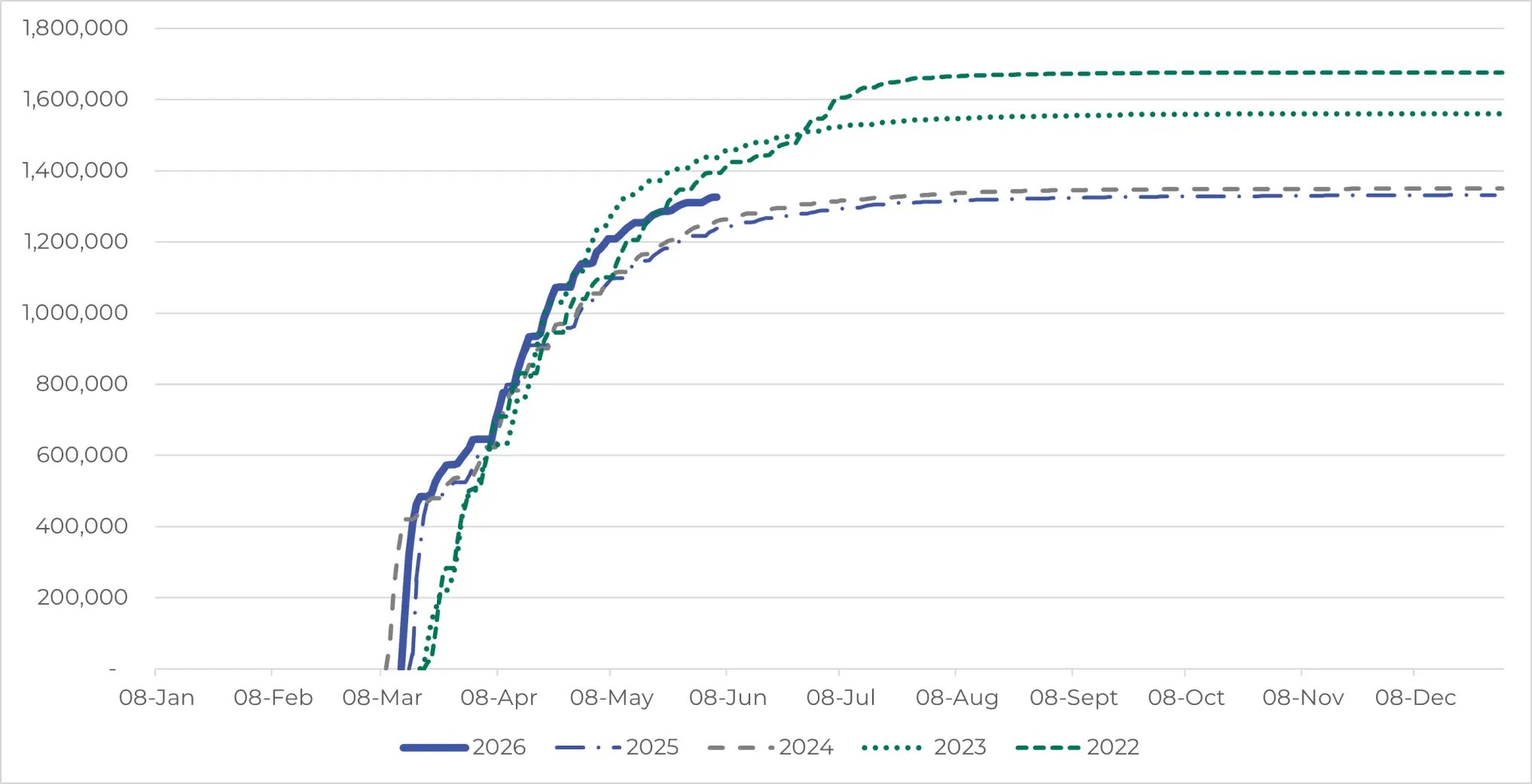
PHF Science's respiratory illness dashboard page says its dashboards are frequently updated with timely surveillance information. That is not a household instruction by itself, but it matters because public-health planning depends on what is circulating. The more visible that information is, the easier it is for clinics, pharmacies, schools and families to understand why winter advice can change from week to week.
The key point for readers is to treat winter health as planning, not panic. People do not need to diagnose every cough at home or overreact to ordinary seasonal illness. They do need to take symptoms seriously, stay away from others when infectious, use trusted health advice, keep basic supplies available and check eligibility for funded vaccines before the season is already peaking.
This story is in Lifestyle because it affects daily choices: work, school, sport, caregiving, transport and household budgets. Health systems feel winter pressure at the hospital door, but the first decisions are made in kitchens, cars, pharmacies and GP phone queues. Clear preparation can make those decisions calmer.
For households, the most useful part of the winter-plan material is its emphasis on ordinary timing. Vaccination, early advice, pharmacy support, primary care and discharge planning are not dramatic interventions, but they reduce the chance that a manageable illness becomes a hospital problem. Families can take the same lesson into their own planning by checking medicine supplies, arranging transport for older relatives, keeping children home when symptoms are clear and seeking advice before symptoms become urgent. The lifestyle point is that winter health is built through small decisions made before a household is already under pressure.