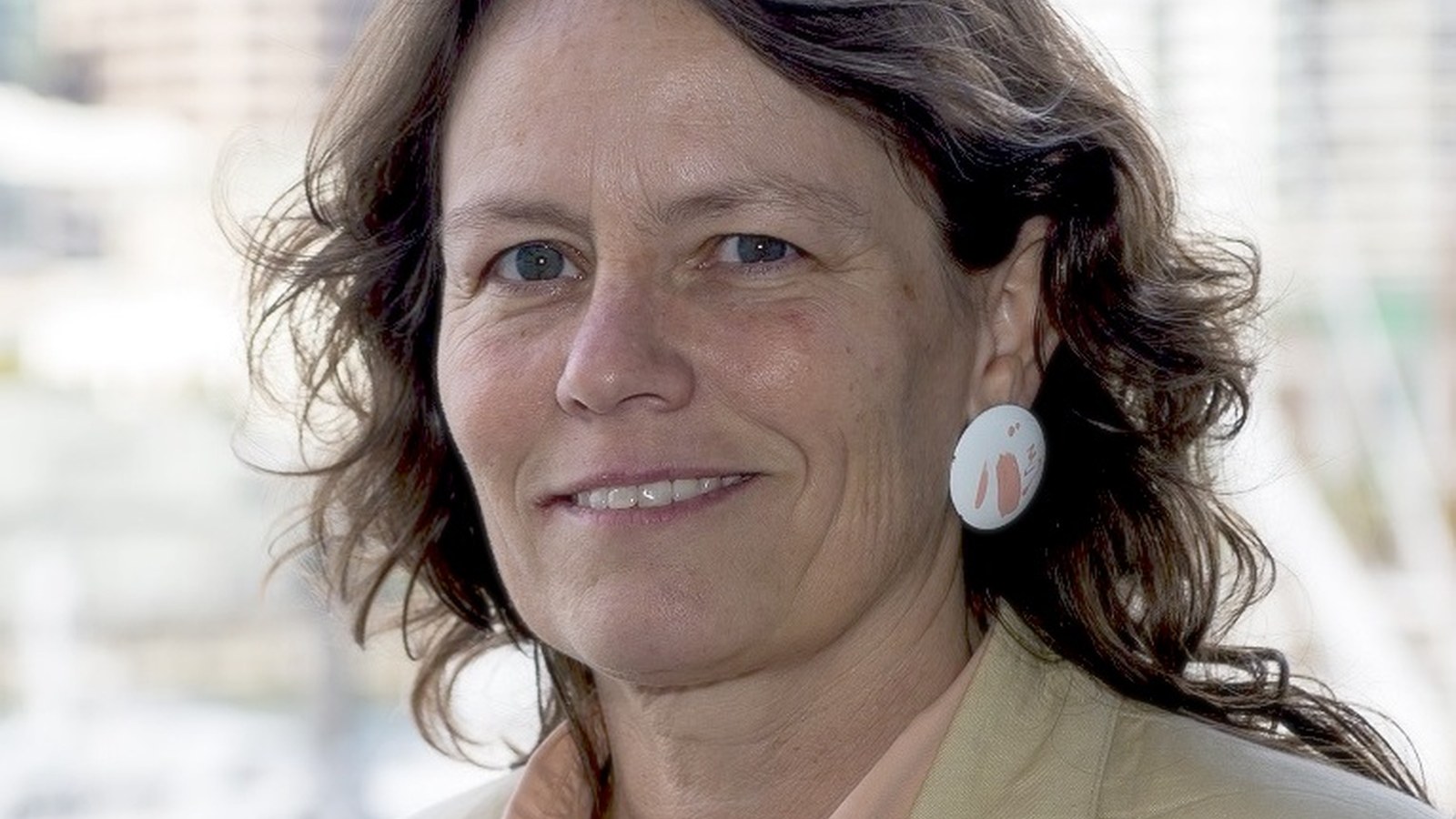
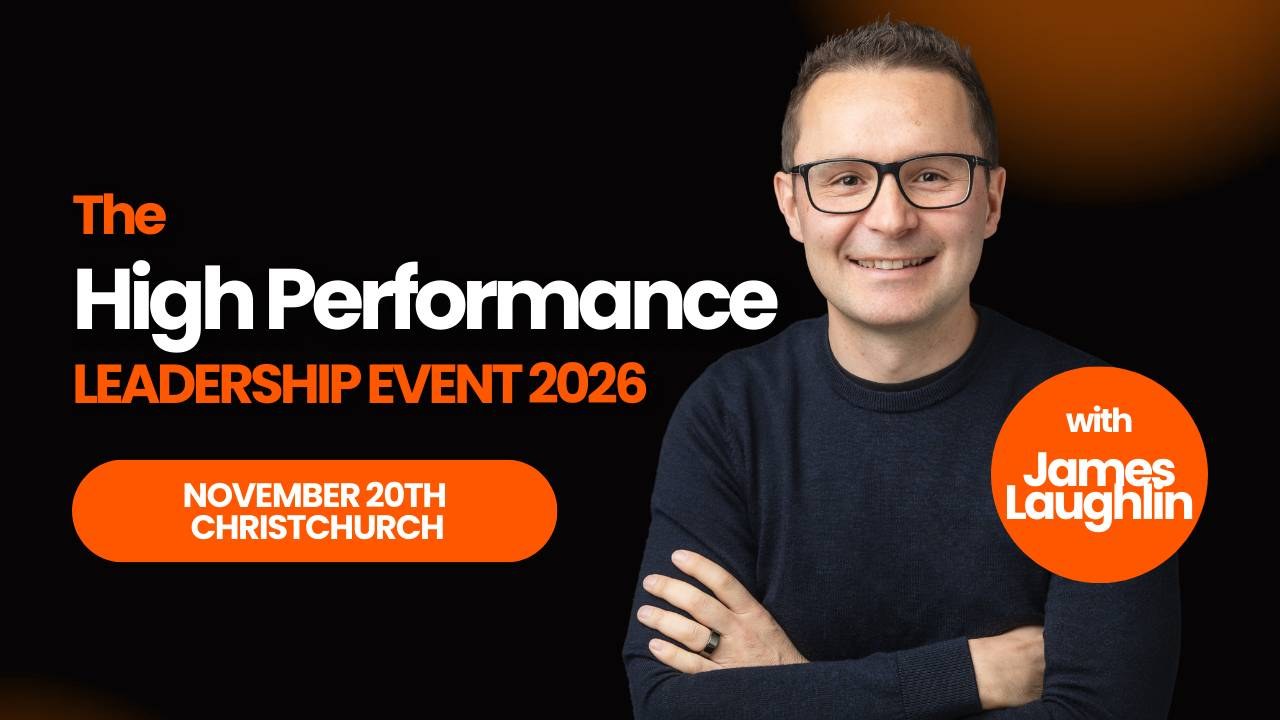
Naomi Ballantyne has become the founder-focused business story in today's Newsroom NZ pack after the High Performance Leadership Event 2026 listed her among its Christchurch speakers. The HPL event page says the one-day programme will be held at Christchurch Town Hall on Friday, 20 November, and names Ballantyne alongside Olympic gold medallist Finn Butcher and author and speaker Bariz Shah. A recent LinkedIn post from organiser James Laughlin also promoted Ballantyne as the next HPL 2026 guest speaker, framing her as the first female founder in New Zealand to build and sell a startup worth more than $1 billion.
The story matters because it places a founder rather than only a company at the centre of a national business conversation. Ballantyne's record is unusually concrete: the HPL page describes her as an entrepreneur who built industry-leading businesses from the ground up and transformed the financial services landscape. That is promotional language from an event page, but the verified news point is straightforward. A major public leadership event is using a New Zealand founder's operating history as part of its core speaker programme, and tickets are already being sold for the November date.
For business readers, the significance is not just the biography. New Zealand's founder ecosystem often celebrates fundraising, exits and technology headlines, but less often returns to the slower questions of leadership, resilience and building durable organisations. Ballantyne's presence gives the HPL programme a practical business-owner angle: what founders learn after scaling, selling and then translating those lessons for the next generation of operators.
It is also a useful counterweight to the short-term rhythm of startup coverage. Founders are commonly discussed when they raise money, fail, enter awards, or make a rich list. A leadership event puts a different test on the table. It asks whether the founder's experience can help other business owners make better decisions, lead staff through uncertainty, and build companies that last beyond a single campaign or market cycle.
The timing gives the announcement extra relevance for 2026. Many small and medium-sized businesses are still dealing with cautious demand, higher operating costs, tighter capital and customers who expect more proof before spending. A founder-led session at a public leadership event is not a policy answer, but it is a sign of what the business community is looking for: credible operators who can explain how to keep moving when conditions are not easy.
Newsroom NZ is treating this as the required founder-focused article for the day because it is about a named New Zealand founder, a current public event listing, and the broader business-owner audience the event is trying to reach. The article avoids the Make It Happen Founder Awards angle used in recent packs and focuses instead on Ballantyne's HPL speaker role and what it says about founder leadership in New Zealand.
The practical business read-through is that founder stories are most useful when they move beyond celebration and into operating detail. Ballantyne's appearance on a paid public leadership programme gives owners a current reason to revisit questions that do not fit neatly into quarterly results: succession, capital discipline, staff trust, board challenge and the point at which a founder must stop being the only decision-maker. For New Zealand firms trying to grow from local strength into larger markets, those questions are not abstract. They influence hiring, debt, customer concentration and whether a business can keep its culture while adding scale.