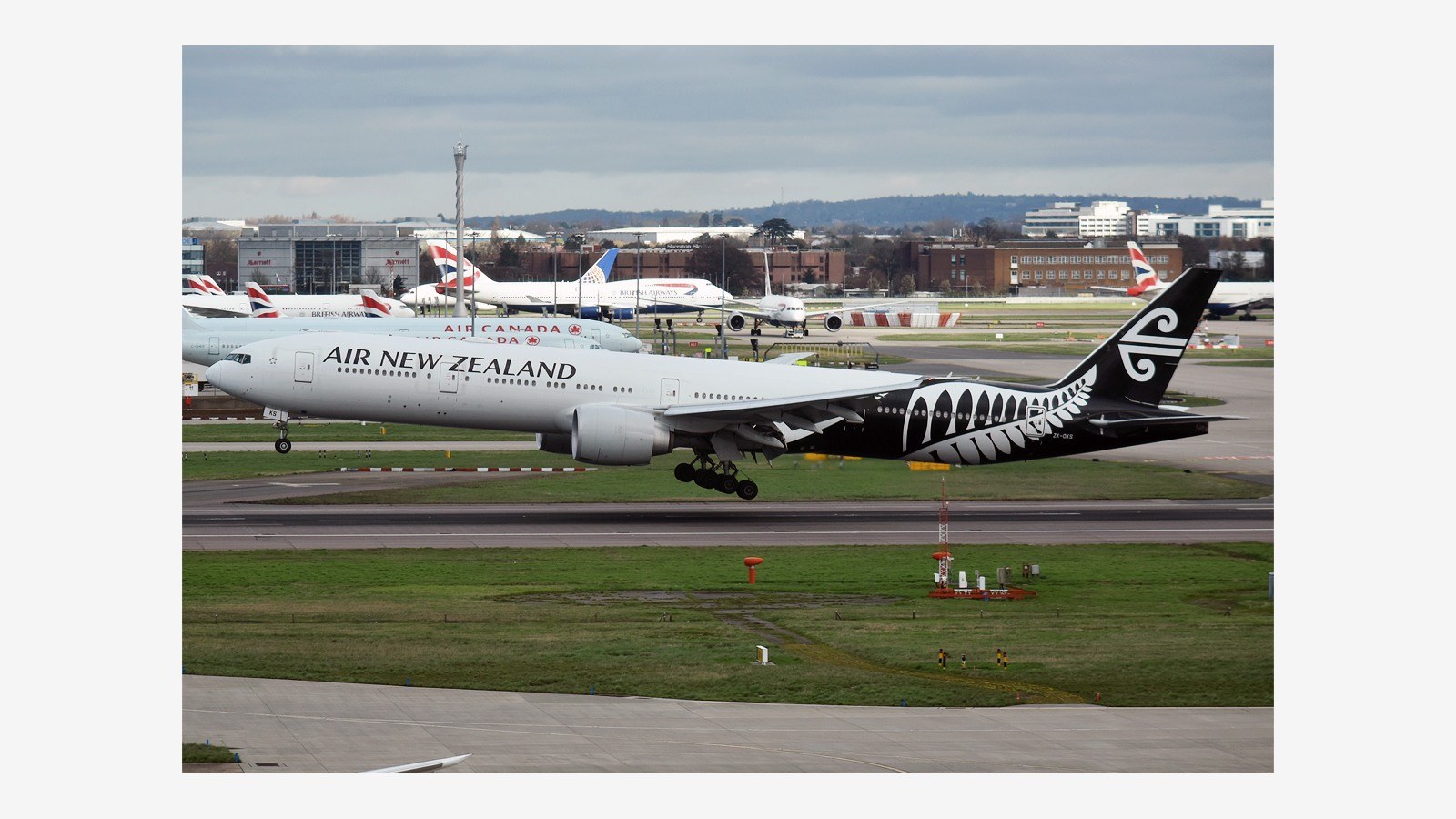
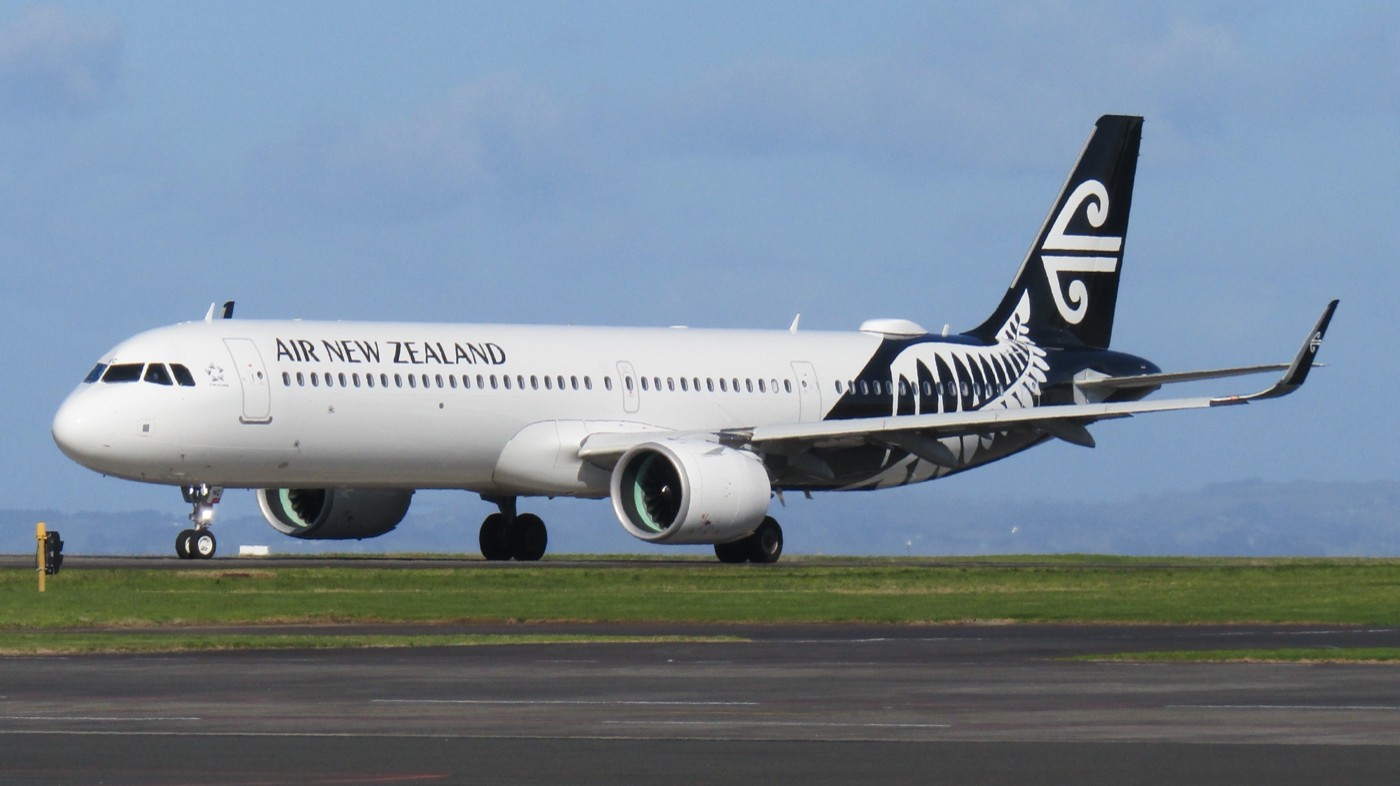
Air New Zealand has cancelled four return flights to Samoa as rising jet-fuel costs and uncertainty around fuel supply put pressure on Pacific travel planning. RNZ reported the airline said the cancellations were part of scheduled changes announced earlier in the month, with Air New Zealand still operating nine services to Samoa each week and describing the change as minimal.
For affected travellers, however, a small schedule change can still be disruptive. Samoa services carry families, workers, tourists, church groups, business travellers and people with urgent personal reasons to cross the Pacific. Even when passengers are moved onto same-day alternatives, changes can affect accommodation, connecting travel, family events and leave from work. The route is not just another leisure market; it is part of a living regional connection.
RNZ reported that Air New Zealand and other airlines are dealing with unprecedented volatility in jet-fuel prices because of the conflict in the Middle East. The airline had earlier said it would cancel about 1100 flights from early March to early May, with most passengers moved to flights on the same day. The Samoa cuts sit inside that wider pattern of schedule management as aviation tries to absorb fuel-price shocks.
The Board of Airline Representatives' chief executive Cath O'Brien told RNZ that airlines were comfortable there was currently enough fuel supply, but wanted clearer information from the Government about how scarce jet fuel would be managed if allocation became necessary. She said New Zealand is known as a fuel-risk destination and pointed to past jet-fuel allocation problems in 2017, 2022 and 2023.
That warning matters because aviation cannot respond to fuel scarcity in the same way a private driver can. An airline must plan aircraft rotations, crew, passenger loads, safety reserves and overseas refuelling. If suppliers give short notice of rationing, airlines may have limited ability to redesign schedules without cancellations. Long-haul, short-haul, freight, regional services and lifeline routes may all compete for attention if fuel becomes tight.
Jet-fuel price volatility also reaches beyond airlines. Higher aviation costs can lift fares, reduce route frequency and weaken tourism recovery. Pacific destinations are especially exposed because air links are the practical bridge between families, economies and services. If airlines reduce frequency or add surcharges, the impact is felt by passengers who may already have fewer travel options than those on trunk domestic routes.
The Government's broader fuel planning is therefore also travel policy. Associate Energy Minister Shane Jones has said officials will brief ministers on possible demand-restraint options, while also pointing to existing stocks and supply work. Travellers do not need panic, but they do need timely communication from airlines and government if schedules change or fuel allocation becomes likely.
The practical advice is to check flight status directly with Air New Zealand before travel, leave room around important events where possible and read fare conditions carefully. The bigger lesson is that Pacific travel depends on a fuel system most passengers never see. When that system is stressed, even routes that continue operating can become less predictable.