
Air Chathams' suspension of Kāpiti services has become a travel and regional-access story, with Kāpiti Coast Mayor Janet Holborow saying the move will be deeply felt by people who rely on the service for work, family connections and the visitor economy. Scoop's latest headlines listed the Kāpiti Coast District Council response on 7 June, calling the suspension a major blow for the district.
The public details available this morning are limited, but the context is clear. Kāpiti has long treated air connectivity as part of its regional identity and economic strategy. When a regional airline suspends a route, the impact is not confined to the passengers booked on the next flight. It affects business travel, tourism packaging, airport confidence, local hospitality and the way residents think about their connection to the rest of the country.
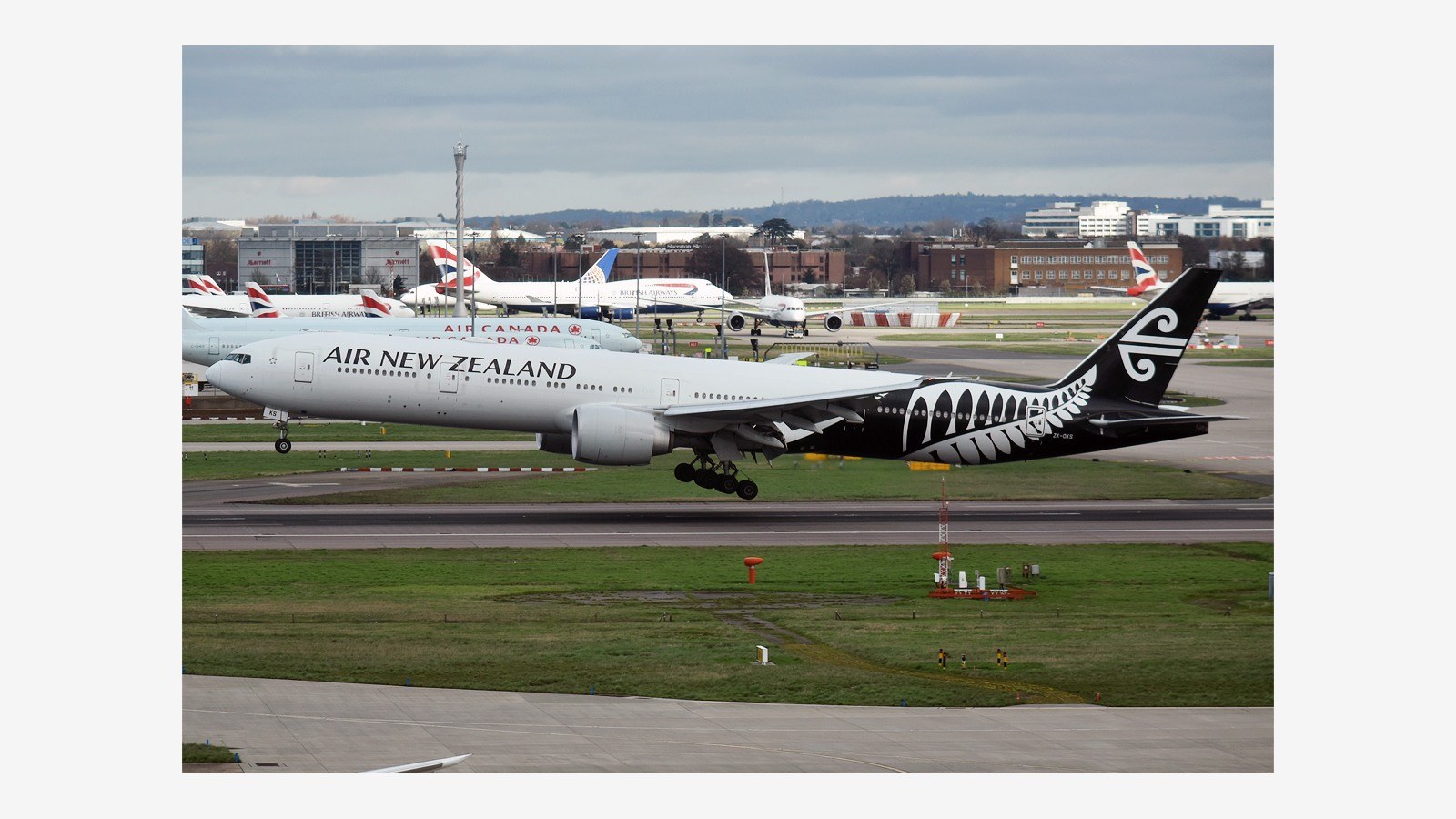
The Kāpiti air-service story has history. Air New Zealand withdrew from the Kāpiti-Auckland route in 2018. Air Chathams later stepped into the gap, supported by local interest in preserving direct air access. More recently, aviation coverage has reported negotiations around a Kāpiti Coast District Council loan to Air Chathams and the pressure regional aviation has faced through difficult operating conditions.
Regional flying is expensive to sustain. Airlines need enough passengers, reliable aircraft, available crews, suitable airport infrastructure, manageable fuel costs and fares that travellers will actually pay. Smaller routes have less room for error than trunk services between Auckland, Wellington, Christchurch and Queenstown. A few weak months, operational disruptions or cost pressures can turn a strategically valuable route into a commercial problem.
For travellers, the suspension means more reliance on alternatives. Many Kāpiti residents can use Wellington Airport, rail or road, but those options are not the same as a local airport link. Extra travel time matters for business meetings, medical trips, elderly passengers, families with children and visitors carrying luggage. Regional accessibility is not only about whether a destination can be reached. It is about how easy, predictable and dignified that journey is.
For the visitor economy, the loss of a direct service can change behaviour. Tourists may still come, but they may spend less time in the district or treat it as a day-trip extension from Wellington rather than a destination in its own right. Events, accommodation providers, attractions and local food businesses can all feel the difference when access becomes less direct.
The suspension also raises a policy question New Zealand has not solved cleanly: how much regional air connectivity should depend on commercial viability alone, and when should councils or central government treat it as infrastructure? Subsidies can be controversial, but so can losing links that support economic and social connection.
The immediate need is clarity for affected passengers and businesses. Travellers should check Air Chathams and council updates directly for route status, refunds, rebooking options and any future service review. Kāpiti's longer-term task is harder: working out whether a replacement or restored service can be commercially credible, and what local support would be justified to keep the district connected.