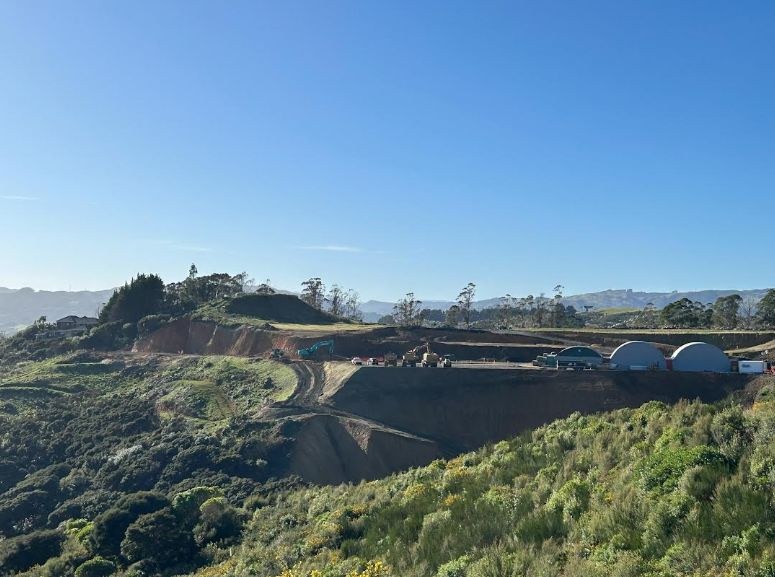
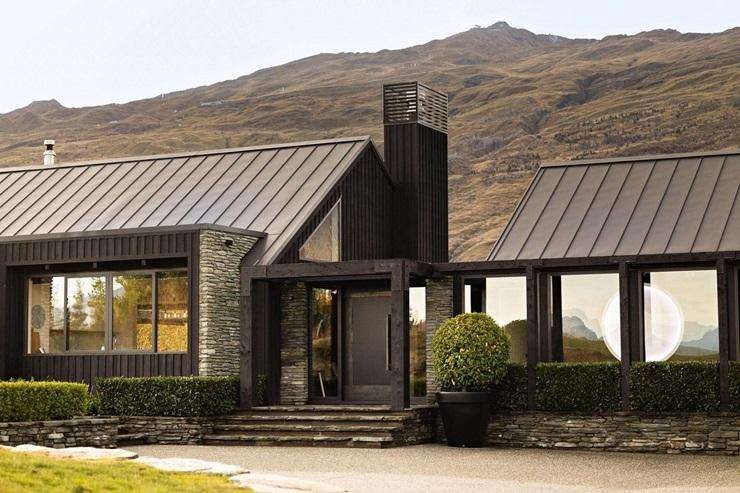
OneRoof's latest Queenstown-Lakes coverage puts a clear number on renewed heat in the prestige property market: a luxury lodge on Mooney Road in Speargrass Flat has sold for $16.5 million, about $5 million over its rating valuation. The report says Bayleys agents completed the sale despite early uncertainty linked to the Middle East conflict and that Australian interest has revived the local market.
The Queenstown story matters because it sits at the top end of a market that has been far from uniform. National housing headlines have recently focused on flat prices, cautious buyers and long selling times. Prestige resort markets can behave differently. Wealthy offshore and out-of-region buyers are influenced by lifestyle, tax settings, global mobility, currency, scarcity and emotional attachment as much as by mortgage affordability. A $16.5 million lodge sale is therefore not evidence that every suburb is booming, but it is evidence that scarcity still commands money in the right location.
OneRoof's report points to buyers flying in regularly and renewed interest from Australia and the United States. That is a useful signal for agents and vendors in Queenstown-Lakes because international attention can change campaign strategy. Sellers may need legal, tax and building paperwork ready earlier. Agents may need to manage discreet viewings, remote due diligence and compressed visits from buyers who are in the country for only a short window.
The sale also shows why Queenstown is not simply a local market. The district competes with other international lifestyle destinations. Buyers are weighing ski access, lake views, privacy, schooling, visas, tax, business links and family lifestyle. The price paid for a lodge in Speargrass Flat reflects that wider comparison. For wealthy buyers, Queenstown can be a residence, retreat, asset and identity purchase at the same time.
There are local consequences. High-end sales help signal confidence and support agents, lawyers, builders, designers and property managers. They can also deepen affordability pressure by reinforcing the gap between prestige values and local incomes. Workers who keep Queenstown's tourism, hospitality, retail and trades sectors operating often face housing costs that have little relationship to luxury-market demand. That tension does not disappear because one sale is impressive.
The contrast with Hamilton's sub-$1 million luxury coverage on the same OneRoof latest-news page is striking. Hamilton's average property value was reported at $798,000 in June, almost half a million dollars cheaper than Auckland's, giving some buyers a very different path into family homes. New Zealand's property market is therefore not one story. It is a set of regional markets moving under different pressures.
For Queenstown sellers, the lodge sale is encouraging but not a guarantee. Prestige buyers can be selective, and luxury campaigns still need clear pricing, credible presentation and clean documentation. The best properties may attract international interest, but weak presentation or unclear consents can still slow a sale.
For the national property conversation, the practical takeaway is local evidence first. A major Queenstown sale shows renewed depth at the prestige end. It does not mean first-home buyers in Hamilton, apartment vendors in Auckland or families in Wellington are seeing the same conditions. The market is moving in pieces, and Queenstown's latest sale is a reminder that the most scarce pieces can still move quickly when the right buyer arrives.