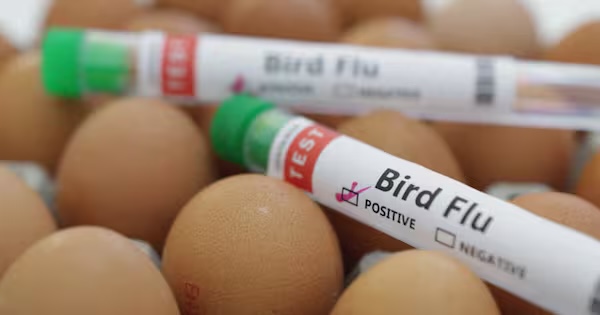
New Zealand's response to H5N1 bird flu being detected in Australia is a good test of public communication. The Government says the country is well prepared, and Biosecurity Minister Andrew Hoggard has urged farmers and backyard bird owners to keep good biosecurity practices in place. That is the right tone: calm, early and practical. It is also a reminder that clear warnings are most useful before a problem arrives, not after people are already scared.
Public warnings often fail in two opposite ways. Some are so technical that ordinary people do not know what to do. Others are so dramatic that people either panic or tune out. The H5N1 message has to avoid both mistakes. New Zealand has not reported the same situation as Australia, and there is no value in creating alarm. But there is value in telling bird owners what signs to watch for, how to reduce contact with wild birds and when to call a vet.
The same principle applies across health, weather, food safety, medicine labels and travel disruption. A warning should answer five questions quickly: what is the risk, who is affected, what should they do now, what should they not do, and where can they check updates? If the public cannot answer those questions after reading an alert, the warning has not done its job.
Timing matters. Early warnings can feel unnecessary when nothing visible has happened yet. That is exactly when they are most useful. A farmer can review biosecurity, a household can secure outdoor items before a storm, a patient can ask about medicine before pregnancy, and a traveller can adjust a route before a cancellation becomes expensive. Waiting until the risk is obvious removes options.
Specificity matters too. Saying the country is prepared is reassuring, but people need local actions. Farmers need biosecurity steps. Backyard poultry owners need signs of illness and reporting pathways. Councils need coordination. Health agencies need plain language about human risk. Media need to avoid turning every overseas detection into a domestic emergency while still explaining why preparation is reasonable.
Trust is the foundation. People are more likely to follow advice when agencies acknowledge uncertainty honestly. If a risk is low, say so. If the situation may change, say when updates will come. If a protective action is simple, explain it without jargon. If people should not do something, such as handle sick wild birds or stop medicines suddenly, say that clearly.
New Zealand has learned from storms, pandemics, food recalls and infrastructure failures that the public can handle serious information. What frustrates people is fog: unclear responsibility, late updates, contradictory advice or instructions that assume everyone has the same resources. Good warnings recognise that people have jobs, children, animals, transport limits, language needs and budgets.
The H5N1 preparedness message is therefore bigger than one animal-health issue. It is a case study in how a small risk can be managed before it becomes a public panic. The best warning is not the loudest. It is the one that changes the right behaviour at the right time, while leaving people informed enough to keep living normally.