Opinion: July 1 is a useful reminder that New Zealand does not only need better policy. It needs better change notices. In one winter week, households are being asked to absorb postal-price rises, paid parental leave changes, ACC adjustments, insurance levy shifts, weather outlooks, airline strategy news and hospitality milestones. None of those items is impossible to understand on its own. Together, they create information fatigue.
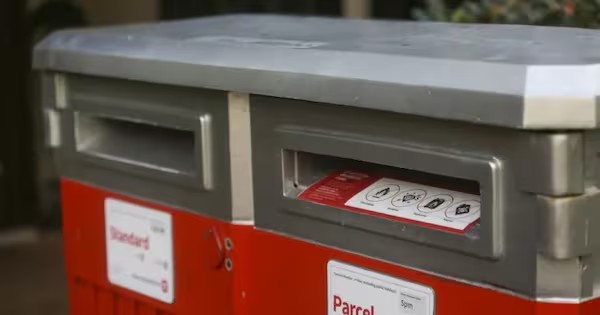
Paid parental leave rises, long-term ACC compensation rises, NZ Post charges increase, Fire and Emergency levies change, and sole-parent work support shifts. Each change has a reason and an agency behind it. But an ordinary household does not experience government, business and utility decisions as separate press releases. It experiences them as a running list of things to check, budget for and explain to someone else.
This is where public communication often falls short. Agencies tend to publish what changed, when it changes and where the legal authority sits. That is necessary, but it is not enough. People need examples, plain thresholds, who is affected, who is not affected, what action is required, and when they will see the change in a payment, renewal notice, bill or form. If the answer is different for homeowners, renters, vehicle owners, parents, injured workers and small businesses, say that clearly.
Weather information shows the same principle. MetService can say high pressure covers much of the country and severe-weather risk is minimal. That is useful. But people recovering from slips, bridge outages or storm damage also need local road and council updates. A calm forecast does not tell a rural household whether a damaged crossing is safe, whether a school bus is running, or whether a shaded road will be icy at 7am.
Business communication has its own version of the problem. Air New Zealand's Te Pae Hou reset may make sense to investors, but travellers hear phrases such as targeted growth, financial sustainability and premium visitors through the lens of fares, routes and reliability. If regional communities are expected to trust the plan, they need practical language about service commitments, fleet constraints and what the strategy means for the trips they actually take.
Even good news needs clear framing. New Zealand's first Michelin stars are a major food-and-tourism moment, and Tala's recognition gives the country a story to celebrate. But hospitality operators outside the star list still need customers, staff and sustainable margins. Public excitement is strongest when it explains both the winners and the wider sector they represent, rather than turning a national milestone into a simple trophy list.
The common thread is that information should be designed around decisions, not announcements. Can I afford this? Should I travel? Is my route open? Does my payment change? Is this event worth going to? Will my region still have flights? Does this award affect where visitors spend? Those are the questions people carry into daily life. Institutions should start there more often.
Plain communication is not dumbing things down. It is respect for people's time. New Zealand households are capable of understanding complex changes, but they should not have to decode every notice from scratch. July's reset shows the standard to aim for: fewer vague headlines, more concrete examples, and public information that tells people exactly what to do next.