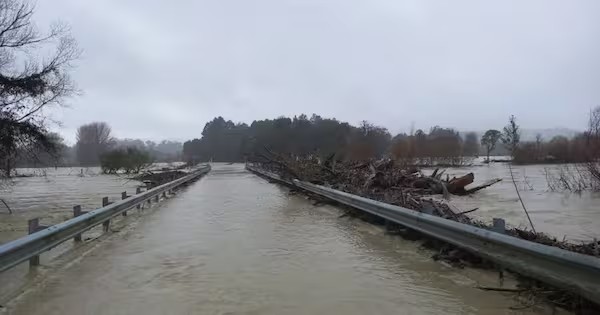
Opinion: New Zealand's latest mix of storm damage, medicine-supply pressure and airline route changes points to the same civic lesson: disruption is easier to manage when the public gets plain, current and specific updates. A bridge washout in South Wairarapa, ongoing methylphenidate supply constraints and Jetstar's trans-Tasman route changes are different stories. But each one leaves ordinary people asking practical questions that vague reassurance cannot answer.
The first question is usually not political or technical. It is human. Can I get home? Can my child get medicine? Is my flight still running? Can the school bus cross the bridge? Do I need to change a booking? Should I call the pharmacist today or wait? These are not abstract information needs. They are the details that shape family calendars, work shifts, care arrangements, stock movement, medical routines and money decisions.
Public agencies and companies often underestimate how quickly uncertainty becomes work for everyone else. If a bridge is damaged but the next inspection time is unclear, residents start ringing councils, neighbours and emergency services. If a medicine is in constrained supply but expected stock windows are broad, patients call multiple pharmacies and prescribers. If an airline suspends a route, travellers need to untangle accommodation, rental cars, leave, insurance and connecting flights. Every unclear update creates unpaid administration for the public.
The answer is not perfect certainty. Weather, supply chains and airline networks change. Authorities and companies cannot promise what they do not know. But they can structure updates better. A useful update says what has happened, who is affected, what is confirmed, what is not yet known, what people should do now, and when the next update will arrive. That format works for storms, medicines, flights, water outages and road closures.
Specificity also builds trust. People can tolerate bad news if it is direct. They lose patience when language is soft, delayed or promotional. Telling a community a route is closed until at least Monday is more useful than saying access is being monitored. Telling patients supply constraints are expected through 2026 is more useful than implying the issue is mostly fixed. Telling travellers which routes are being suspended and which route is being added is more useful than a general network statement.
New Zealand's size should make good public updates easier, not harder. Many communities are small enough that trusted local channels, council pages, schools, health providers and newsrooms can reinforce the same message. But that only works if the original update is clear. Social media cannot fix weak source information; it usually amplifies the confusion.
There is a cost-of-living dimension too. Confusion costs money. A missed appointment, a wasted trip, a replacement medicine delay, a cancelled booking or a preventable detour can all hit households that have little room to absorb it. Clear updates are not a luxury communication exercise. They are part of reducing the hidden cost of disruption.
The best public information does not talk down to people. It treats them as decision-makers who need facts quickly. New Zealand will keep facing storms, supply shortages and transport changes. The question is whether institutions can turn disruption into usable instructions before the public is left to piece the story together by itself.