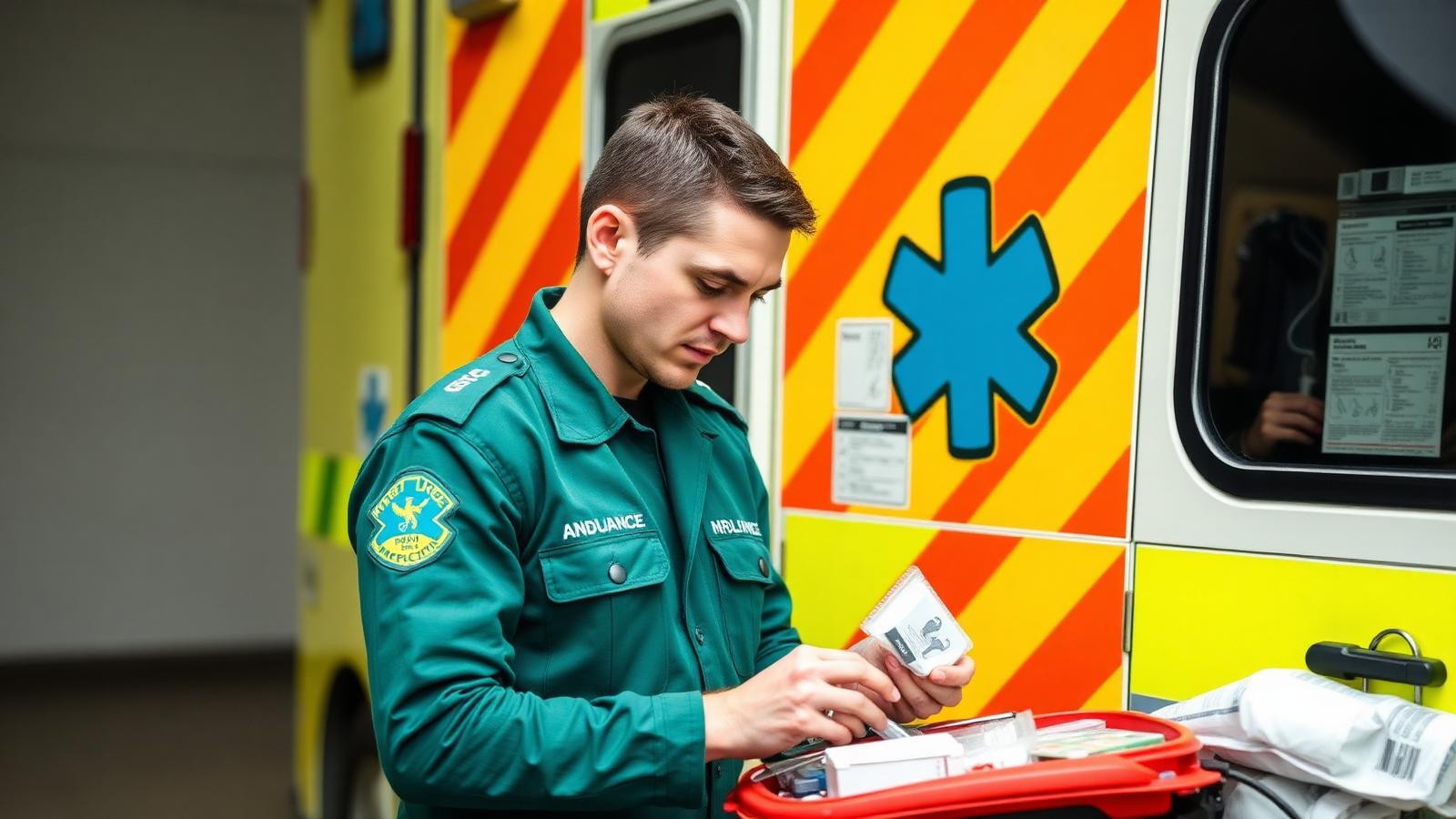
Paramedics being allowed to prescribe medicines is a sensible change, but New Zealand should treat it as one part of health-system repair rather than a shortcut around deeper access problems. Health Minister Simeon Brown announced on 6 June that paramedics will be able to become designated prescribers under the Medicines Act 1981, with suitably qualified paramedics prescribing from a specified list of medicines within their scope of practice.
The case for the change is strong. Paramedics already make high-stakes clinical decisions in ambulances, homes, aged-care facilities, rural communities and emergency scenes. The Government says current standing-order arrangements let paramedics administer certain medicines but not prescribe them, creating an inflexible system that can send patients elsewhere simply to obtain a prescription. If a trained paramedic can safely treat a patient in the community, a compulsory trip to an emergency department can waste time, money and hospital capacity.
Rural and remote communities stand to benefit most. A patient with a manageable infection, pain flare-up, respiratory problem or medication need should not always have to travel long distances or wait for an appointment if a qualified paramedic is already there and the medicine sits inside an approved scope. Faster treatment can also mean better continuity of care, especially when ambulance clinicians work alongside local GPs, nurses and hospitals.
But the policy will succeed only if the details are serious. The Ministry of Health is consulting on the list of medicines that paramedic prescribers may be authorised to prescribe. That list could include medicines for common infections or minor conditions, repeat medicines for common conditions, urgent-care medicines and possibly some controlled drugs if regulations are changed. Each of those categories needs clear guardrails.
Training is the first test. A title change is not enough. Paramedics who prescribe need rigorous education, assessment, supervision, professional support and audit. They also need access to patient information where appropriate, because prescribing without context can be risky. Allergies, interactions, pregnancy, kidney function, existing conditions and current medications all matter.
The second test is integration. If paramedic prescribing becomes a stand-alone workaround for under-resourced primary care, the system may simply move pressure from one workforce to another. Paramedics are already stretched in many places. Expanding their role must come with staffing, funding and operational planning so emergency response capacity is not weakened.
The third test is communication. A prescription written in a home, rest home or roadside setting should flow back to the patient's usual health provider where possible. Otherwise, the benefit of rapid access can be undermined by fragmented records and duplicated care. The policy should make treatment easier without making responsibility harder to trace.
This is still a reform worth doing. New Zealand needs to use skilled health workers better, and paramedics are among the country's most capable frontline clinicians. The change could reduce avoidable emergency-department visits and improve access in places where care is hard to reach. But the promise is not in the announcement. It is in the medicine list, the training standards, the workforce planning and the follow-up systems that decide whether patients get safer care close to home.