New Zealand's fuel shock is being discussed in terms of price, supply and relief payments, but the deeper lesson is resilience. A country can have fuel in storage and still be exposed if households, freight operators, schools, airlines and regions have few practical alternatives when international oil markets turn hostile. The current pressure shows that emergency stockpiles are necessary, but they are not the same thing as a resilient transport system.
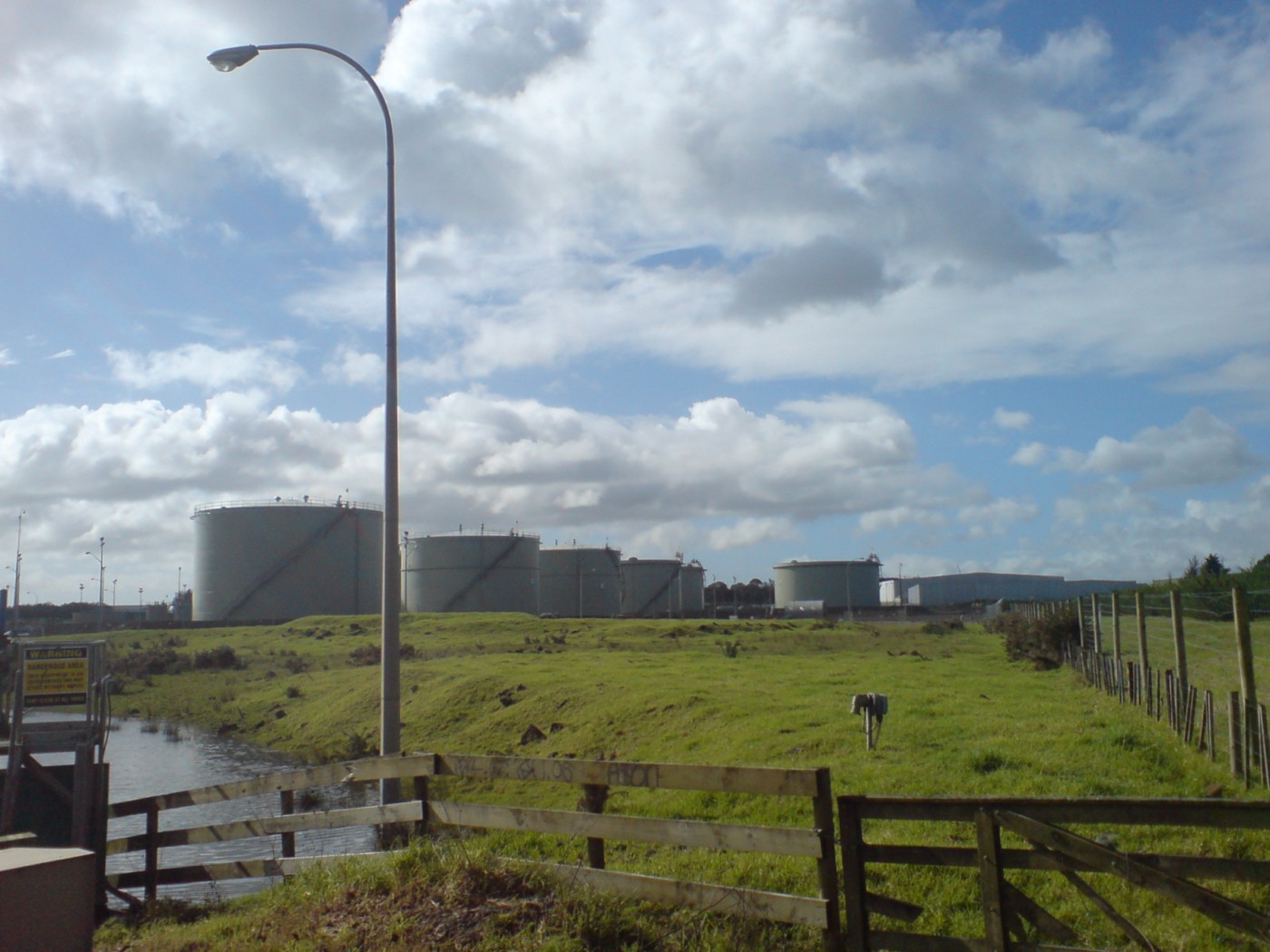
RNZ reported Associate Energy Minister Shane Jones saying MBIE data showed about 47 days of fuel stocks, including around 50 days of petrol, 46 days of diesel and 45 days of jet fuel. That matters. It is better to have fuel arriving and stored than to face immediate physical shortage. But those numbers do not protect a family from $4 premium petrol, a rural student from a long school trip, or an airline from the operational risk of jet-fuel allocation.
The Government's $50-a-week support for qualifying families under the in-work tax credit is a reasonable short-term response. It targets help toward households with children and work-related costs. But it also illustrates the limits of after-the-fact relief. Payments can soften pain; they do not change the underlying dependence on imported liquid fuel for daily life. If every shock requires another temporary payment, resilience has not improved.
The aviation warning is even clearer. Air New Zealand's Samoa cancellations and the Board of Airline Representatives' call for clarity show that fuel risk can quickly become travel risk. Airlines cannot simply tell a long-haul aircraft to use less fuel in the way a household might cut optional trips. They need certainty, allocation rules and enough confidence to plan schedules. A fuel shock therefore becomes a tourism, family, freight and regional-connectivity issue.
The same is true for diesel. Jones said New Zealand consumes about 24 million litres of fuel a day, nearly half of it diesel. Diesel moves goods, builds roads, powers farm and construction equipment, and keeps parts of the economy functioning. If diesel prices spike, costs move through supply chains before many consumers understand why. Food, building materials, courier deliveries and regional services can all feel it.
Real resilience would mean reducing the number of situations where imported fuel is the only realistic option. That includes better public transport where density allows it, safer cycling and walking for short trips, electrified buses and fleet vehicles, rail and coastal shipping where practical, smarter freight logistics, home and workplace charging, and land-use decisions that do not force every household into long car trips. None of that is instant, but resilience rarely is.
It also means honest planning for the activities that will keep needing liquid fuel. Emergency services, rural work, heavy freight, aviation and some marine operations cannot all electrify at the same pace. For those sectors, storage, allocation rules, alternative supply contracts and transparent communication matter. A serious plan would distinguish between avoidable consumption and critical use before the crisis arrives.
The political temptation is to argue about who closed what refinery, who should receive payments and whether demand restraint sounds like rationing. Those arguments will continue. But the country should not miss the bigger point. Fuel resilience is not proven by surviving one international shock with higher prices and emergency payments. It is proven when the next shock hurts less because households and essential services have more choices than they had before.