NIWA's current seasonal climate outlook keeps New Zealand in a watchful position as winter settles in. The May to July outlook says there is about a 65 percent chance of El Nino conditions emerging during the period, with many regions leaning toward near-normal or below-normal rainfall. That is not the same as a single severe-weather warning, but it is important because it shapes the slower risks that households, councils, growers and businesses need to manage.
The seasonal picture is uneven. NIWA's outlook points to rainfall probabilities that are often split between near normal and below normal for northern and central regions, while the west of the South Island has a different profile. Soil moisture and river-flow probabilities also matter because winter dryness can build quietly. People often associate winter with wet ground, but a cold season can still leave certain regions exposed if rain does not arrive in the right places.
For farmers and growers, the issue is timing. Feed planning, irrigation expectations, planting decisions and water storage are all made before a shortage becomes obvious. A seasonal outlook does not tell a farmer what will happen on a particular paddock next Tuesday, but it does help with scenario planning. If dry risk increases as the season progresses, waiting for the problem to become visible can be expensive.
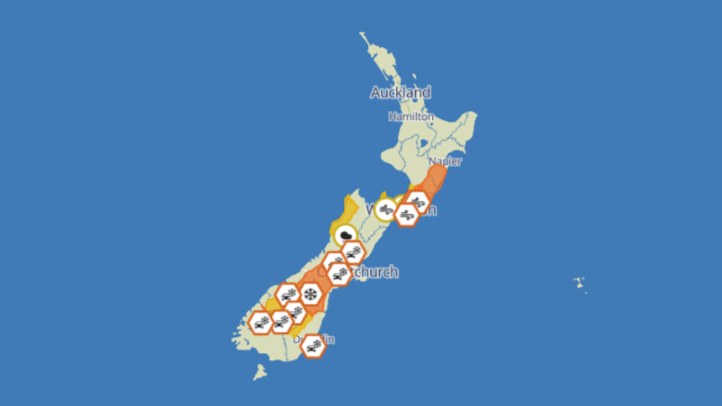
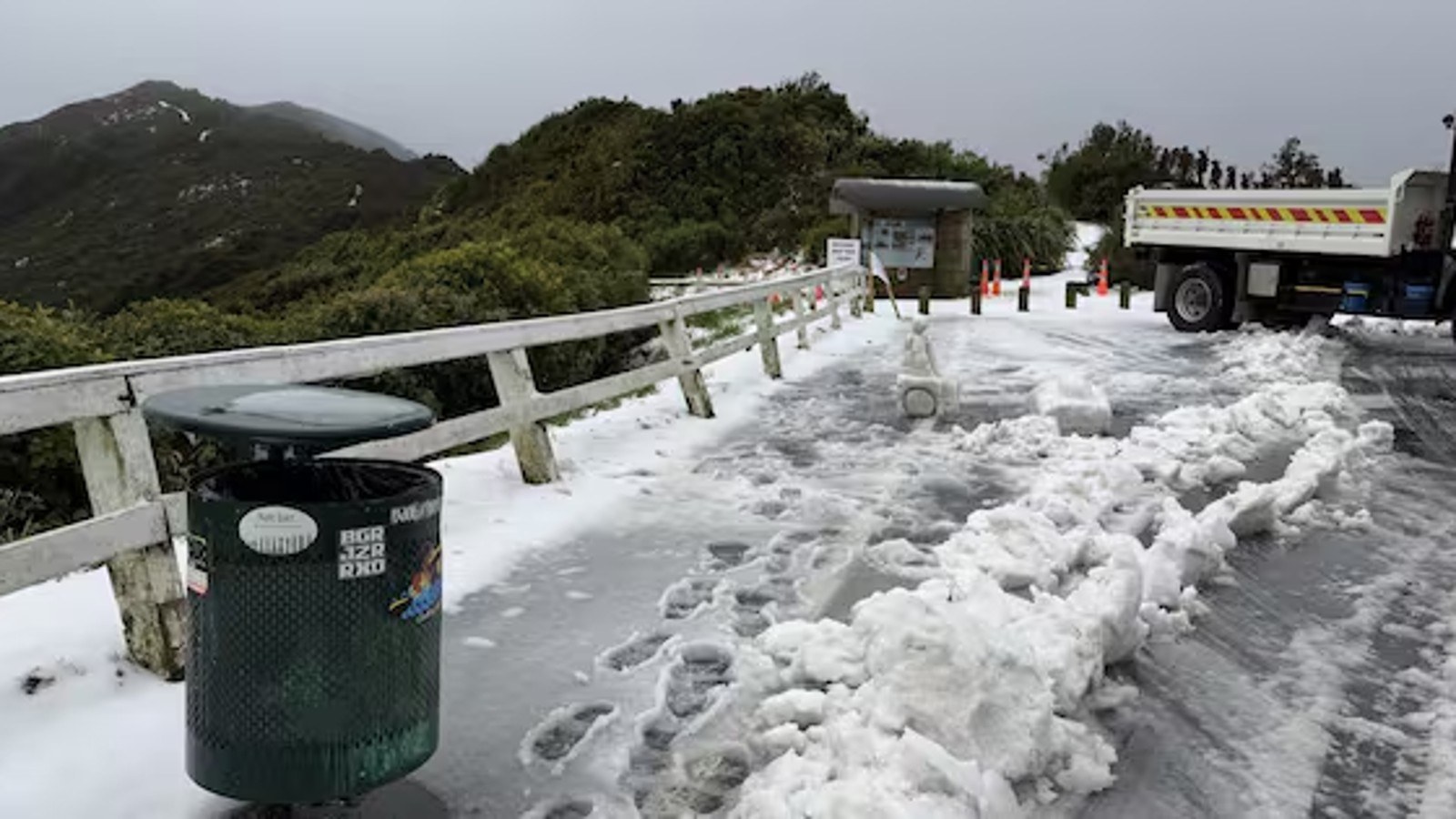
For households, the practical advice is two-track. Use MetService warnings and watches for immediate decisions about travel, coastal activity, wind, snow and rain. Use NIWA's seasonal outlook for slower decisions about water use, garden planning, rural travel, fire risk later in the season and whether local restrictions may become more likely. The two services answer different questions and should be used together.
For businesses, weather risk is not limited to outdoor sectors. Transport firms need reliable roads. Builders need workable sites. Retailers are affected by foot traffic. Tourism operators depend on safe access and credible visitor information. Energy users watch hydro storage and demand during cold spells. A drier winter signal can therefore belong in boardroom risk registers as much as in farm diaries.
The communication challenge is avoiding both complacency and overstatement. A 65 percent El Nino chance is meaningful, but it is not a guarantee. Local weather can still produce heavy rain, snow, swell or wind events inside a season that trends drier in places. New Zealanders need clear updates rather than simplified slogans.
Recent weather years have shown that preparation works best when it starts before emergency language appears. Councils can check drainage and public advice, rural communities can check contingency plans, and households can keep travel and warning habits current. The cost of early checking is low compared with the cost of being surprised.
The weather story today is therefore a planning story. Keep the warnings page close for immediate hazards, and treat the seasonal outlook as a reason to prepare for a winter that may be dry, uneven and locally changeable.
The national value of this outlook is that it gives people time to act before conditions become urgent. Water users can check restrictions and storage, transport operators can monitor exposed routes, and councils can prepare plain public messages. The forecast may change, but preparation does not have to wait for certainty. In a country where local conditions shift quickly, early planning is a practical form of resilience.