McDonald's has marked 50 years in New Zealand, a milestone that says as much about changing food habits as it does about one global fast-food brand. Restaurant & Cafe reported on 5 June that McDonald's celebrated its 50th anniversary in New Zealand with a look back at 50 standout moments. The company's own history says the first New Zealand McDonald's opened on 7 June 1976 in Porirua, near Wellington.
The anniversary is a food and drink story because fast food is now woven into everyday New Zealand life. For some people, McDonald's is a road-trip stop, a childhood birthday memory, a late-night meal, a first job, a coffee break, a cheap family treat or a place to meet between errands. For others, it represents the rise of ultra-convenient eating, global branding and the health concerns that come with highly processed food.
Both views can be true. The brand's endurance shows that New Zealanders value convenience, consistency and price visibility. A customer can walk into a restaurant in Porirua, Invercargill, Auckland or Rotorua and know broadly what the ordering process will be. That predictability is powerful in a busy household economy. It also helps explain why quick-service restaurants have become part of the food landscape rather than a novelty.
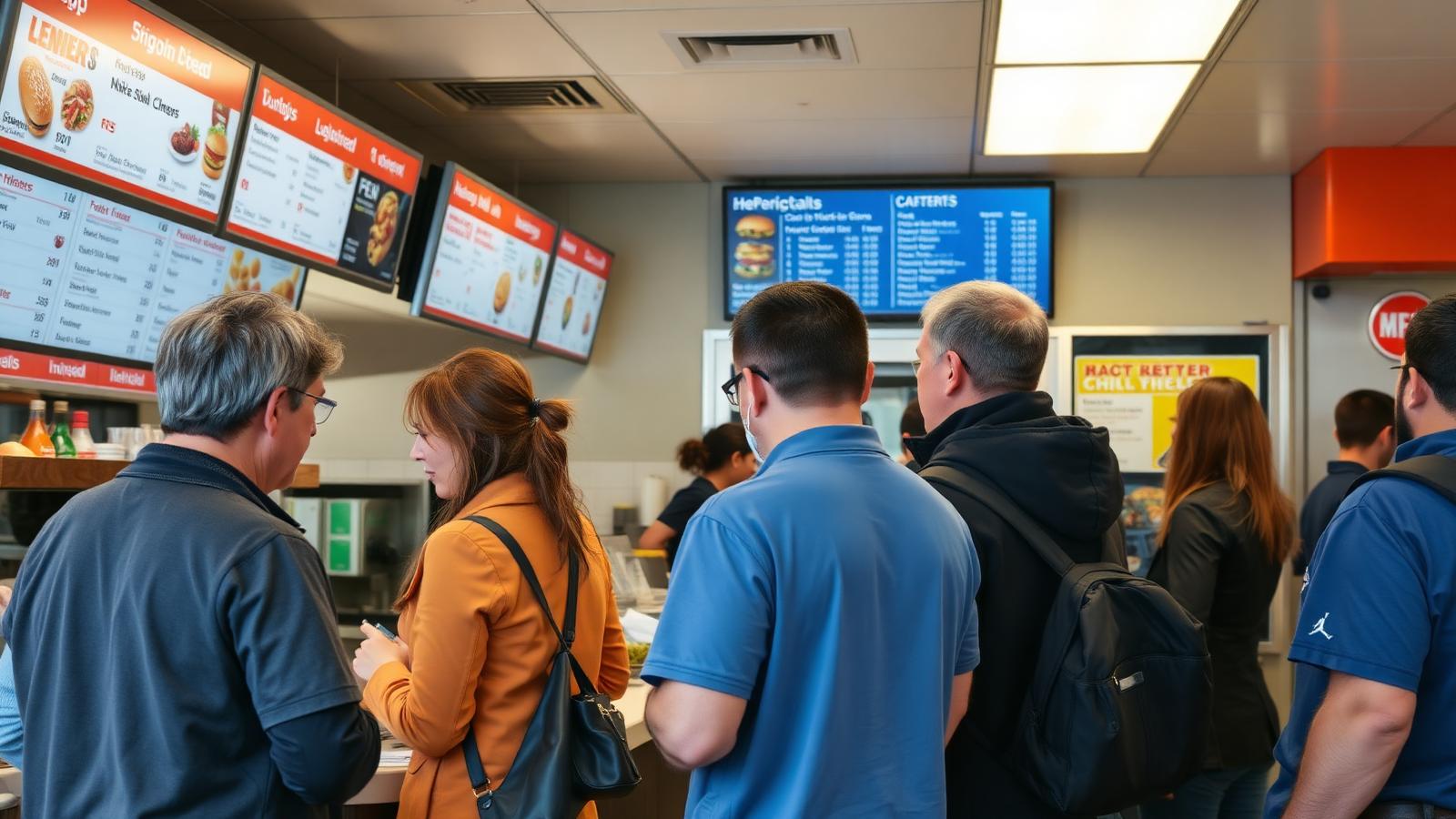
The past 50 years have changed the format dramatically. The early New Zealand stores were built around counter service and a narrower menu. Today's fast-food system includes drive-throughs, delivery partnerships, self-order kiosks, mobile-app deals, digital menus, all-day coffee expectations and a constant cycle of limited-time products. The restaurant is no longer only a counter; it is a logistics platform for prepared food.
The anniversary also invites questions about local supply and employment. McDonald's New Zealand has long promoted its local sourcing and its role as a major employer of young workers. Fast-food jobs can be entry points into paid work, customer service and management. At the same time, the sector faces scrutiny over wages, shift security, health impacts, packaging waste and the pressure that discounting can place on smaller independent food businesses.
For the wider hospitality industry, McDonald's is both competitor and benchmark. Independent cafes and restaurants cannot usually match the scale, advertising reach or app infrastructure of a multinational chain. But they compete on local identity, fresh menus, service, atmosphere and community connection. The coexistence of both models is now normal in New Zealand towns and suburbs.
Health remains the unavoidable tension. A 50-year anniversary can be nostalgic, but New Zealand's food environment is also shaped by obesity, diabetes risk, cost-of-living pressure and uneven access to nutritious meals. Fast food is popular partly because it is easy and familiar. Public-health advocates will keep asking how much marketing and convenience influence everyday choices, especially for children.
The anniversary does not need to be treated as either celebration or condemnation. It is a marker of how New Zealand eats now: quickly, digitally, globally, locally and often under time pressure. Fifty years after Porirua, McDonald's is part of the country's food story because millions of ordinary choices put it there.