Research on the Mangatangi Fault has returned Auckland property risk to the national conversation. The Guardian reported that the fault, near the Hunua Ranges south-east of central Auckland, has ruptured within the past 10,000 years and could produce a magnitude 6.8 earthquake if the full fault ruptured. For a city often treated as lower seismic risk than Wellington, Hawke's Bay or parts of the South Island, the finding deserves careful attention from property owners, buyers, councils and insurers.
The immediate point is not that Aucklanders should panic. It is that property risk changes when evidence changes. A home or apartment is valued through location, land, building quality, access, services and confidence. If new research sharpens the understanding of seismic hazards around growing parts of Auckland, that evidence should eventually flow into building advice, due diligence, infrastructure planning and insurance conversations.
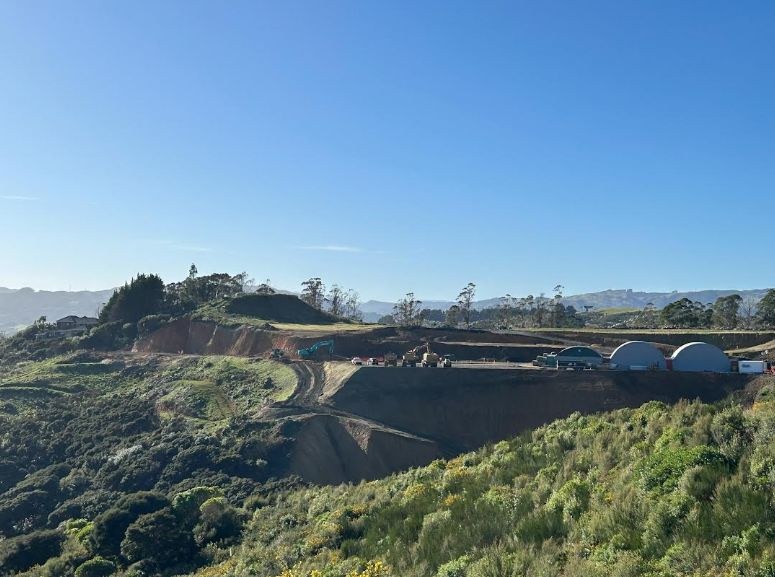
Auckland's growth pressure makes the issue more significant. Southern and south-eastern parts of the region are central to housing supply, transport investment and future urban expansion. A hazard signal near those growth corridors does not mean development stops. It means development should be tested against the best available science so that homes, roads, water systems and community facilities are not planned with outdated assumptions.
For existing owners, the practical response is to collect information rather than leap to conclusions. Building files, engineering reports, council hazard information, insurance terms and body-corporate records all matter. Older buildings, complex structures and higher-density projects may need closer attention than simple standalone homes, but every property decision benefits from better evidence.
For buyers, the story is a reminder that due diligence should cover more than price and school zones. Flood maps, slope stability, coastal exposure, liquefaction, earthquake design, drainage and access all sit inside the real cost of owning property. A home can be attractive and still carry risk that should be understood before purchase.
For policymakers, the challenge is balancing safety, affordability and certainty. Stronger rules can add cost, but weak rules can leave people with hidden risk. The best public process is transparent: explain what the research shows, what it does not show, what further work is needed, and what practical changes are being considered.
The insurance sector will also be watching. Insurers do not need headlines to move markets; they need risk models. If those models shift over time, premiums, exclusions or underwriting questions can change. That is another reason to make hazard information public and usable rather than leaving owners to discover it only when they seek cover.
Auckland property has long been discussed through affordability and supply. The Mangatangi research is a reminder that resilience is part of the same market. New homes are only a solution if they are well located, well built and planned with the risks that science can now identify.
The question for the property sector is how quickly that evidence can be translated into ordinary decisions. Buyers need language they can understand, councils need guidance that can be applied consistently, and builders need design expectations that are predictable before projects are priced. Unclear risk signals can freeze confidence. Clear advice can help Auckland keep building while still respecting the science.