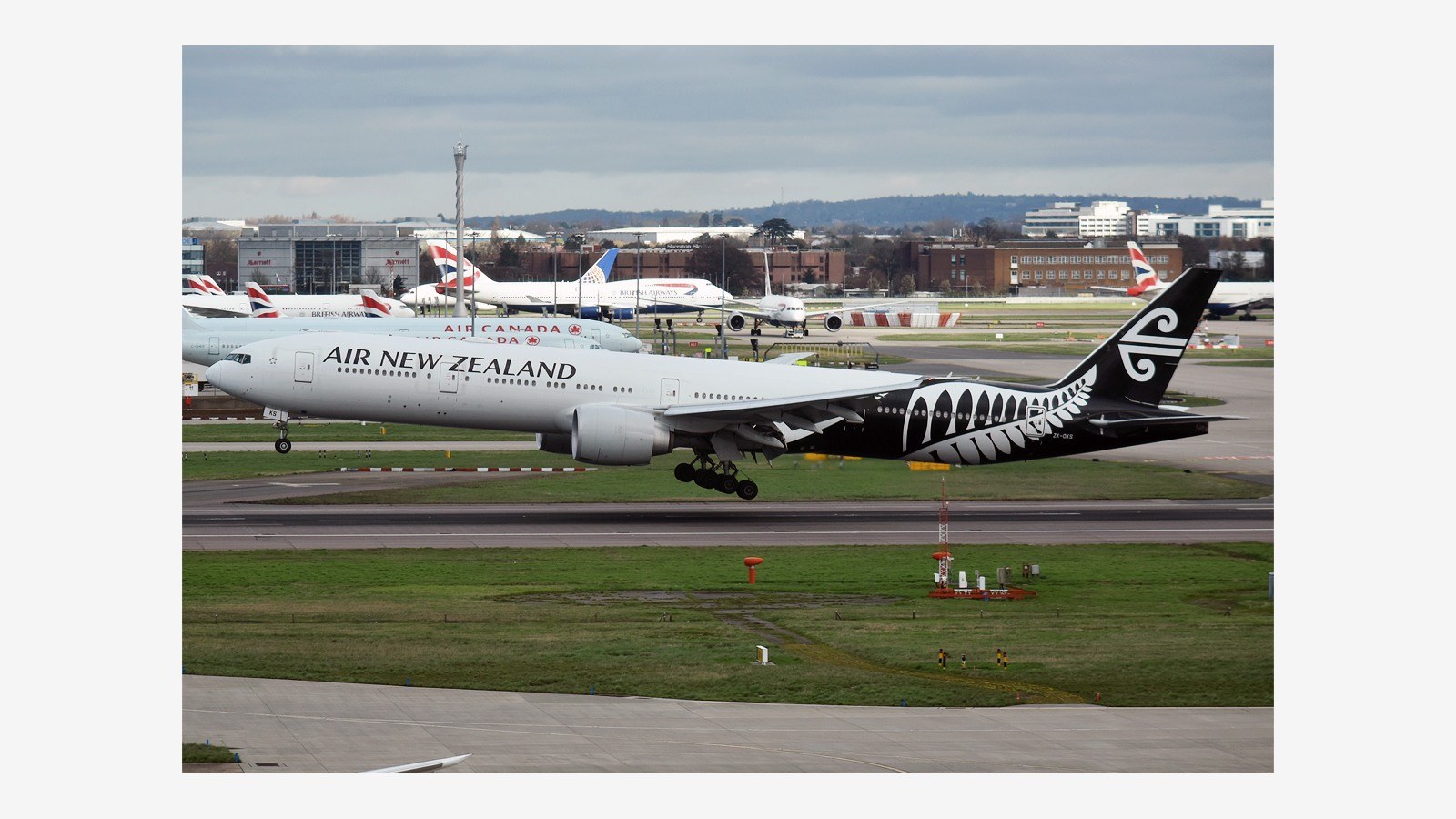
Auckland Airport's May 2026 monthly traffic update shows how global disruption can still reshape New Zealand travel even when terminals remain busy. The NZX announcement reported 746,000 international passenger movements in May, down 2 percent on May 2025, while international seat capacity fell 4 percent and average international load factors rose to 82 percent. In plain terms, fewer seats were available, but the seats that remained were being filled more efficiently.
The sharpest pressure point was the Middle East. Auckland Airport said flights from Auckland to Middle Eastern routes continued to be affected by unrest in the region, with passengers down 71 percent and seat capacity down 65 percent compared with May 2025. That is a travel story because long-haul routes are not interchangeable. When one major connecting region is disrupted, travellers may need different routings, longer layovers, higher fares or new risk calculations.
The nationality mix also shows uneven demand. The update said New Zealand nationals travelling internationally decreased 7 percent from the prior year, Australian nationals increased 3 percent, Chinese nationals increased 10 percent, United States nationals decreased 2 percent and United Kingdom nationals decreased 4 percent. Those movements matter for airlines, hotels, tourism operators and anyone trying to read which visitor markets are recovering fastest.
Short-haul international routes were also softer, with passenger volume down 2 percent and seat capacity down 2 percent, while long-haul international routes saw passenger movements down 3 percent and seat capacity down 7 percent. The difference between passenger movement and seat capacity is important. If capacity falls faster than passengers, load factors can improve even while total travel options narrow. That can be good for airline yield but harder for travellers seeking flexibility.
Domestic travel was steadier. Auckland Airport said domestic passenger movements were in line with the prior year, with seat capacity down 1 percent and load factors at 82 percent. Domestic trunk routes grew 3 percent on 2 percent more capacity, while regional passenger numbers fell 8 percent and regional seat capacity fell 7 percent. The regional decline deserves attention because regional air links support business travel, medical travel, family movement and tourism access beyond the main centres.
Queenstown stood out more positively. The update said Queenstown Airport international passenger numbers in May were up 3 percent year on year, while domestic passengers increased 9 percent. That is consistent with Queenstown's position as a winter and shoulder-season destination with strong leisure pull, but it also shows that airport performance can vary sharply by region and route mix.
For travellers, the lesson is to plan routes with more care than usual. International connections through disrupted regions may change, and alternative routings can affect total journey time, insurance questions and cost. People should check airline updates, allow time around important events and keep documentation for any disruption. The cheapest fare is not always the lowest-risk option when networks are unsettled.
For tourism operators, the May data is a reminder that recovery is not linear. Some markets grow, some soften, some routes lose capacity for reasons outside New Zealand's control, and domestic links can diverge from international flows. The practical work is to watch the route-level data, not just the visitor headlines. Travel demand is still there, but the pathways into and around the country are changing.