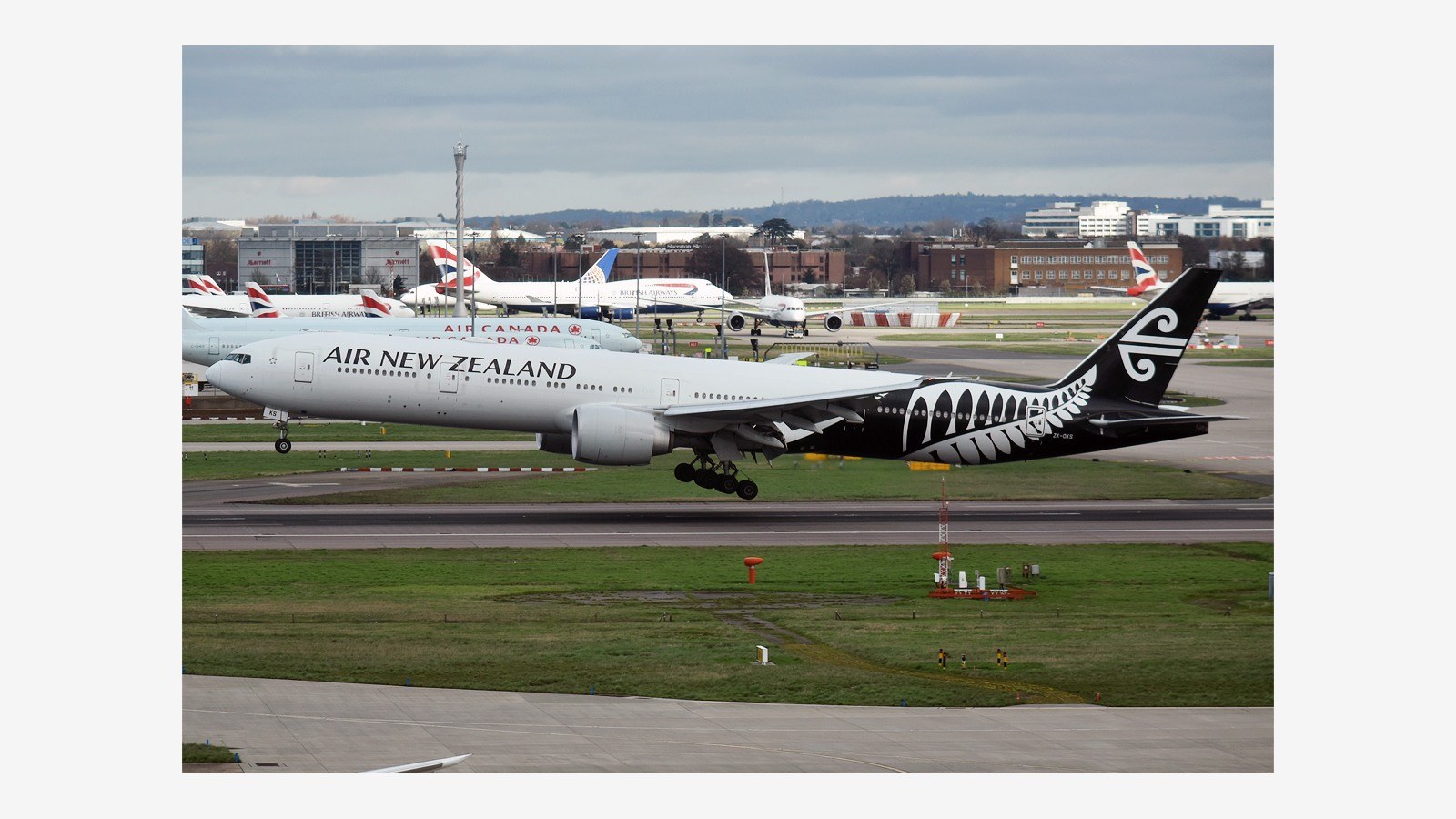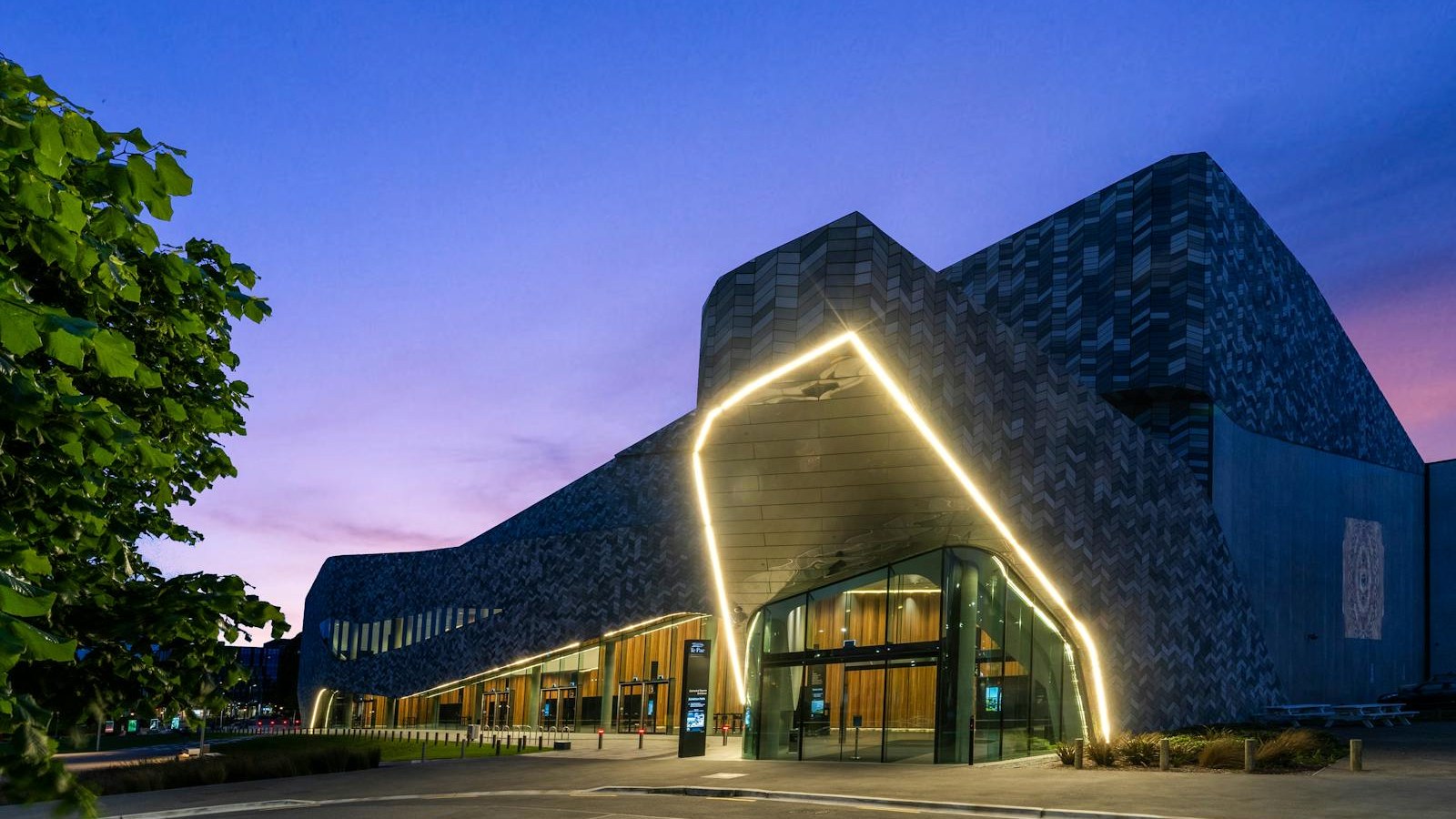
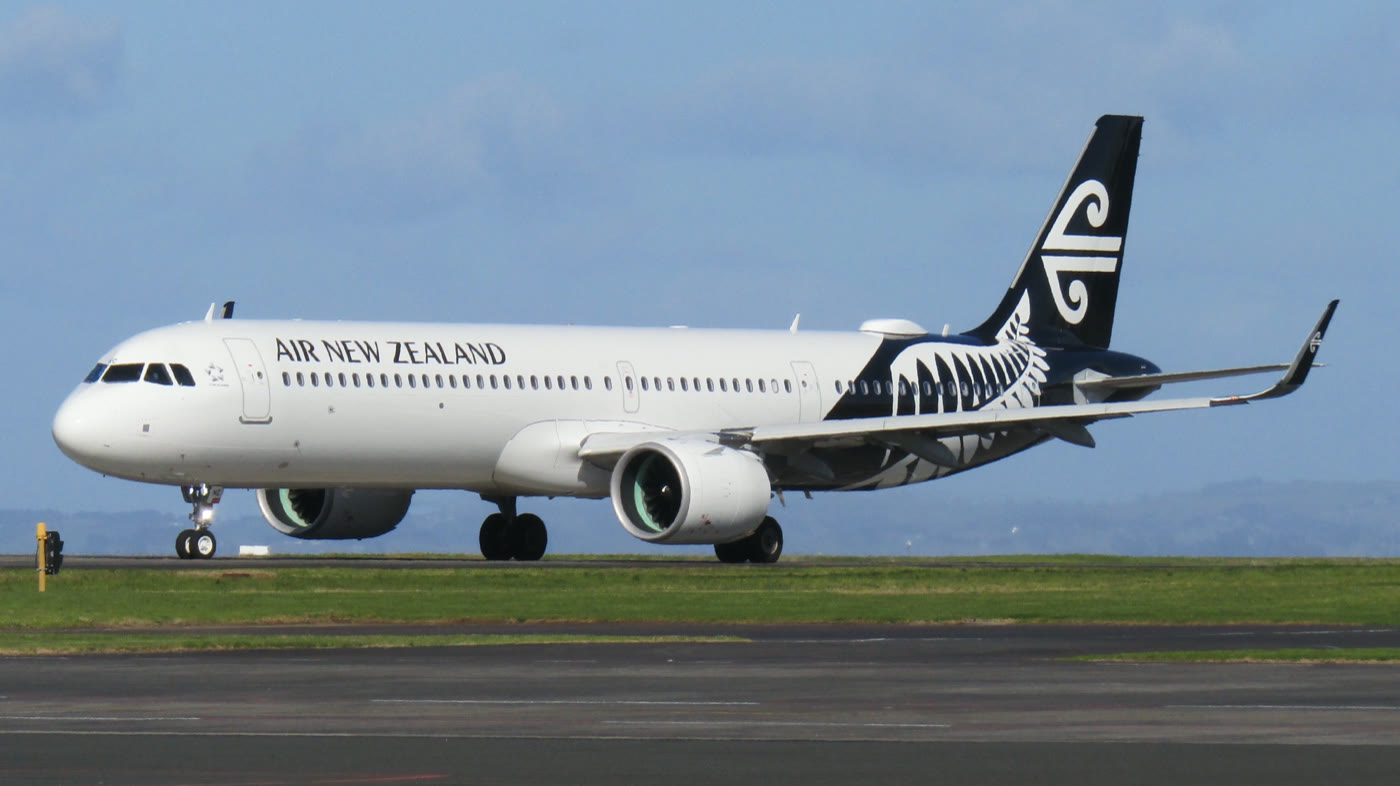
The All Whites' World Cup schedule is also a travel story for New Zealand supporters. Group G sends New Zealand from the Los Angeles area for the Iran opener to Vancouver for matches against Egypt and Belgium. The Guardian's World Cup stadium guide lists New Zealand fixtures at SoFi Stadium and BC Place, while Group G information places the pool across west-coast venues in the United States and Canada. For travelling fans, that creates an itinerary as much as a sports calendar.
A New Zealand supporter planning to follow the group has to think beyond match tickets. International flights, trans-Pacific connections, accommodation, ground transport, border requirements, match-day transfers and time-zone fatigue all sit inside the plan. North America is familiar to many travellers, but the distances between host cities are still large, and match weeks can raise prices around stadium precincts.
The two-country element matters. A fan moving from Los Angeles to Vancouver is crossing an international border, not just changing cities. Passport validity, visa or entry-authorisation requirements, travel insurance and baggage rules should be checked before the journey. A missed document or tight connection can turn a football trip into an expensive problem.
The stadiums themselves shape the experience. SoFi Stadium is a major Los Angeles venue adapted for the tournament, while BC Place in Vancouver is one of Canada's key host venues. That means match-day transport will depend on local systems, security perimeters and FIFA clean-zone rules. Fans should not assume ordinary event routines will apply exactly during a World Cup.
For New Zealand tourism and airline businesses, the supporter flow is small compared with inbound tourism, but it still illustrates how sport drives travel decisions. People who might not otherwise plan a west-coast North America trip may now build holidays around the All Whites. Families and expatriate communities may meet around match dates. Travel agents can package routes that combine football, city breaks and visits to relatives.
There is a budgeting warning too. World Cup travel can escalate quickly because flights, hotels and tickets move together. Supporters should build buffers for delays, rebooking, luggage, local transport and exchange rates. Travel insurance should be checked for sports-event disruption, not just medical cover.
The broader point is that national sport can redraw ordinary travel maps. For a few weeks, Los Angeles and Vancouver are not just distant cities; they are part of a New Zealand story. That can be exciting, but it rewards careful planning.
The All Whites will be judged on the field, but supporters will experience the tournament through airports, queues, trains, hotel desks and border checks. A good travel plan will not score goals. It will make sure fans are in the right place when the whistle blows.
There is also a safety and timing angle. Long-haul supporters should avoid building plans around the shortest possible connections, especially when match tickets and accommodation are fixed. A delayed flight can be expensive when a game cannot be moved. The sensible approach is to arrive early, insure the trip properly and keep official match and transport updates close.