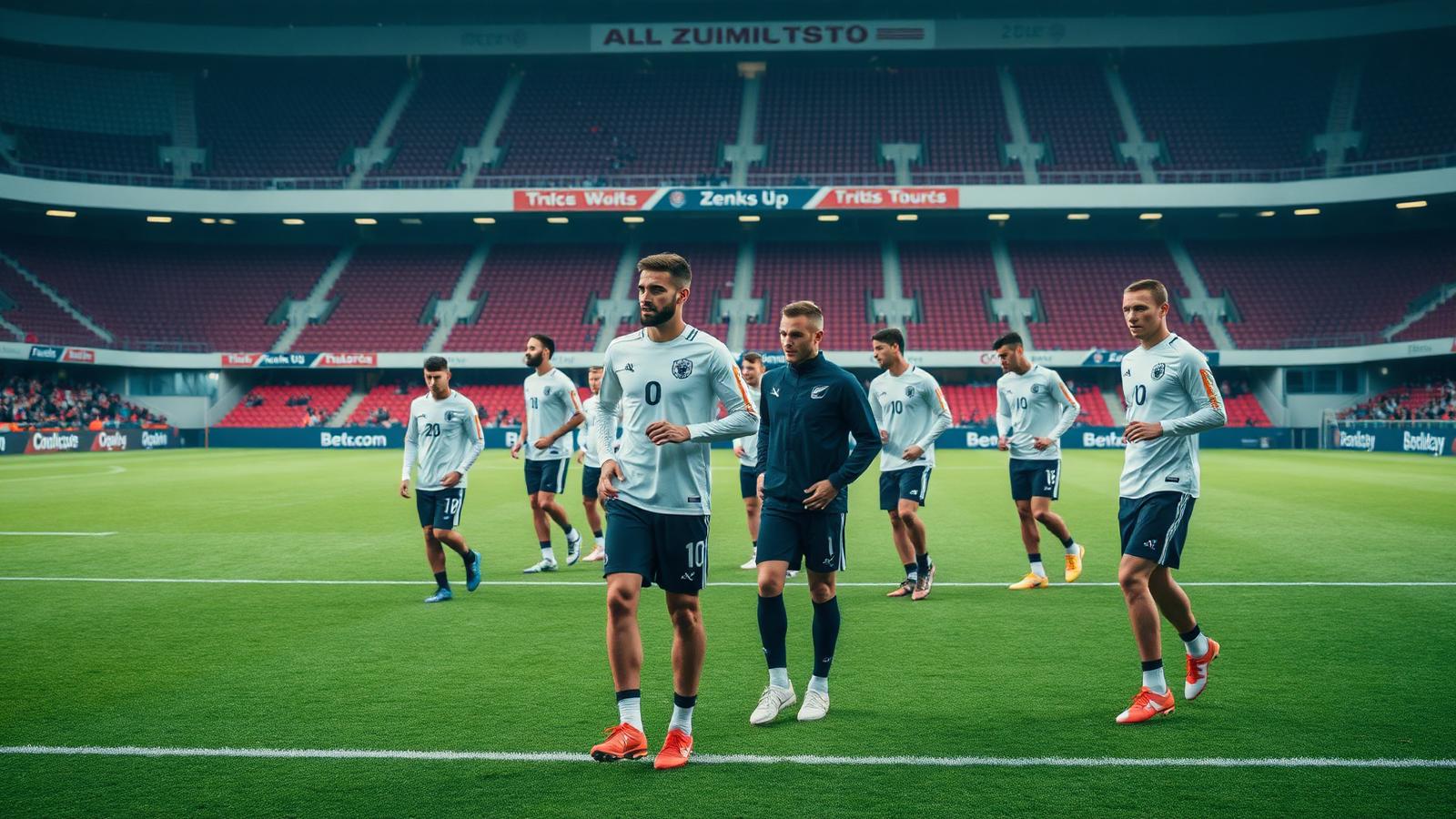
The All Whites have ended their final World Cup warm-up against England with a 1-0 loss in Tampa, a result that leaves New Zealand with both reassurance and unfinished business before the tournament begins. A-Leagues reported that New Zealand finalised preparations for the FIFA World Cup 2026 with a one-goal defeat to England in Florida. Sport Nation's Press Association report said England manager Thomas Tuchel was frustrated by his side's loose first-half display despite the win.
For New Zealand supporters, the scoreline matters because it followed a much heavier 4-0 loss to Haiti earlier in the week. Captain Chris Wood had said after that match that Haiti played it like a World Cup game while New Zealand played it like a friendly. Against England, the All Whites at least kept one of the tournament's major teams within reach on the scoreboard.
A narrow defeat is not a trophy, and it should not be dressed up as one. England won the match, and New Zealand still has to show it can create enough high-quality chances at World Cup level. But the context is important. England are a top-tier opponent, the conditions in Florida were demanding, and the game was part of final tournament preparation rather than a standalone friendly.
The main question now is whether the All Whites can turn competitive structure into points when the group games begin. A-Leagues reported New Zealand's first Group G match against Iran is scheduled for Tuesday 16 June at 1pm NZST. That fixture will be judged very differently from a warm-up. There will be no comfort in looking organised if the team cannot threaten, finish, and manage key moments.
The England match also reinforces the importance of Max Crocombe and the defensive unit. Warm-up games against elite opponents often expose the distance between possession pressure and genuine control. New Zealand may not dominate the ball against higher-ranked teams, so defensive discipline, set-piece defending, transition speed and goalkeeper decision-making become central. One lapse can be enough to decide a match.
Chris Wood remains the obvious attacking focal point, but World Cup football cannot rely only on one senior striker. New Zealand need supporting runners, clean wide delivery, midfield composure and the confidence to hold the ball long enough to relieve pressure. If the team sits too deep for too long, even strong defensive work can turn into a waiting game.
There is a psychological benefit in leaving the England match without being overwhelmed. The Haiti result raised uncomfortable questions about intensity. The England game provided a steadier baseline. That does not erase the earlier defeat, but it gives the coaching staff a stronger platform for the final training block.
The World Cup will measure New Zealand against real tournament pressure, not friendly-match narratives. Supporters will accept underdog status, but they will expect clarity of plan. The England game suggested the plan can hold; the tournament will show whether it can also hurt opponents.