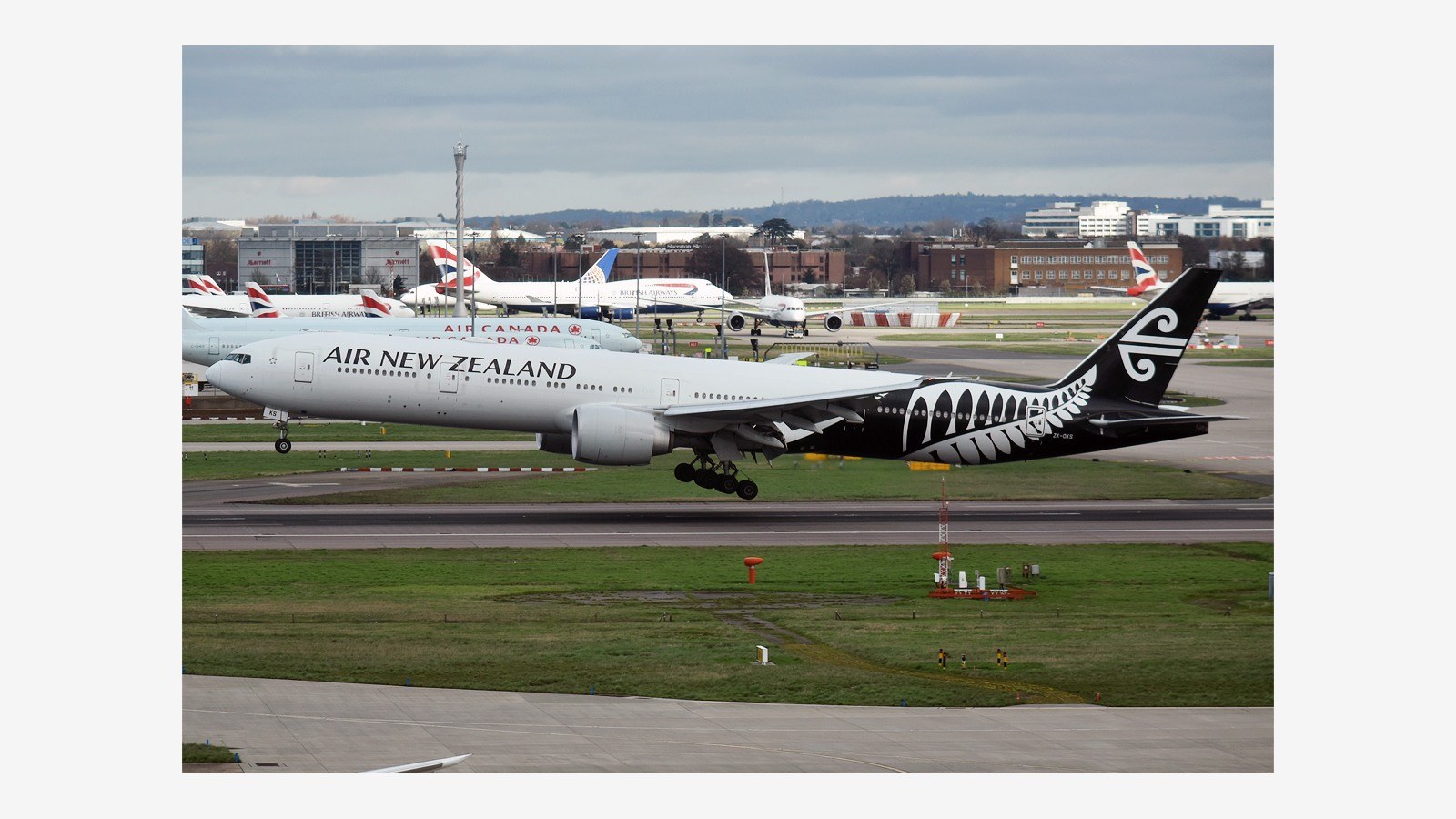
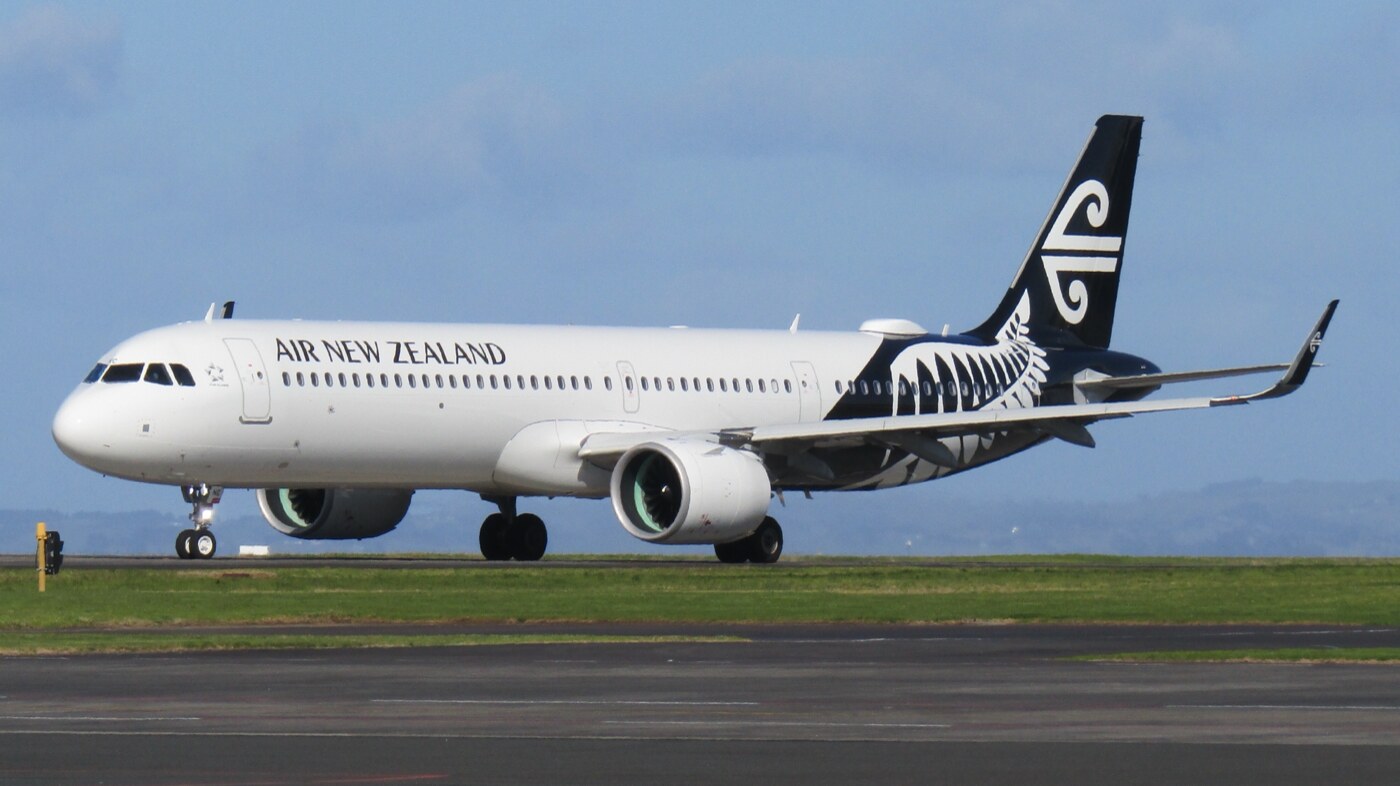
Air New Zealand and Singapore Airlines are adding a major travel signal for the 2026 northern winter season, with the alliance increasing overall seat capacity between Singapore and New Zealand by 17 percent from late October. Air New Zealand's 28 May release says the expanded schedule will add 72,000 seats and bring total seat count to more than 490,000 seats for the season running from 25 October 2026 to 27 March 2027.
The South Island is the clear winner in the announcement. Air New Zealand will launch three weekly Singapore-Christchurch services using Boeing 787 aircraft, complementing Singapore Airlines' existing Christchurch operations of up to 12 weekly services. During the peak months from November to February, the two airlines expect to operate 15 weekly Christchurch services. That is a substantial lift for a city trying to strengthen its role as an international gateway.
For travellers, the benefit is more than an extra flight number. Singapore is a global hub that connects New Zealand to South East Asia, India, the United Kingdom, Europe and beyond. More capacity into Christchurch gives inbound visitors a way to start a New Zealand trip in the South Island rather than connecting through Auckland. It also gives South Island residents and businesses a stronger long-haul pathway.
Auckland also gains from the network change. Air New Zealand will add four weekly Auckland services using Boeing 777 and 787 aircraft, while Singapore Airlines will adjust from three daily flights to two and deploy the Airbus A380 on daily SQ285 and SQ286 services. The airline says the A380 has 471 seats across four cabin classes, adding capacity and premium travel options.
Tourism operators will watch the Christchurch component closely. International routes influence itineraries. If visitors can land closer to Canterbury, Queenstown, the West Coast and the lower South Island, they may spend more nights in those regions and face fewer domestic connection costs. That matters for hotels, rental vehicles, tour operators, restaurants and regional attractions.
The announcement also has a business travel angle. Stronger Singapore connectivity makes it easier for South Island exporters, universities, conference organisers and professional firms to reach Asian and European networks. Travel time and connection quality can shape whether a meeting is realistic, whether a conference bid is competitive, and whether international partners see a region as accessible.
There are still conditions. The expanded schedule is subject to regulatory approval, and airlines will adjust if demand, fuel costs or aircraft availability change. Travellers should check current schedules before booking, especially because seasonal routes and alliance timetables can shift before departure. A route announcement is a planning signal, not a guarantee that every traveller's preferred dates will be simple or cheap.
Even with those caveats, the direction is positive. New Zealand's travel recovery is no longer only about getting back to old passenger totals. It is about building routes that spread access across the country. More Singapore-Christchurch capacity gives the South Island a stronger place in international travel planning and gives visitors another reason to see New Zealand as more than one airport and one gateway city.