A new Waikato centre for kaumātua living with dementia is being described as the first dedicated kaupapa Māori day centre for mate wareware, offering a model of care built around whānau, tikanga and respite rather than a purely clinical setting. RNZ reported that The Selwyn Foundation has teamed up with Te Kōhao Health to open Te Whare Mahara in Hamilton's Maeroa suburb.
The scale of the need is clear. RNZ reported that around 4500 Māori are currently living with mate wareware, and that number is expected to almost triple to 12,000 by 2050. Research has also found Māori develop dementia around a decade earlier than Pākehā. Those figures show why dementia care cannot be treated as a narrow aged-care issue. It is a whānau, housing, health-equity and community-support issue.
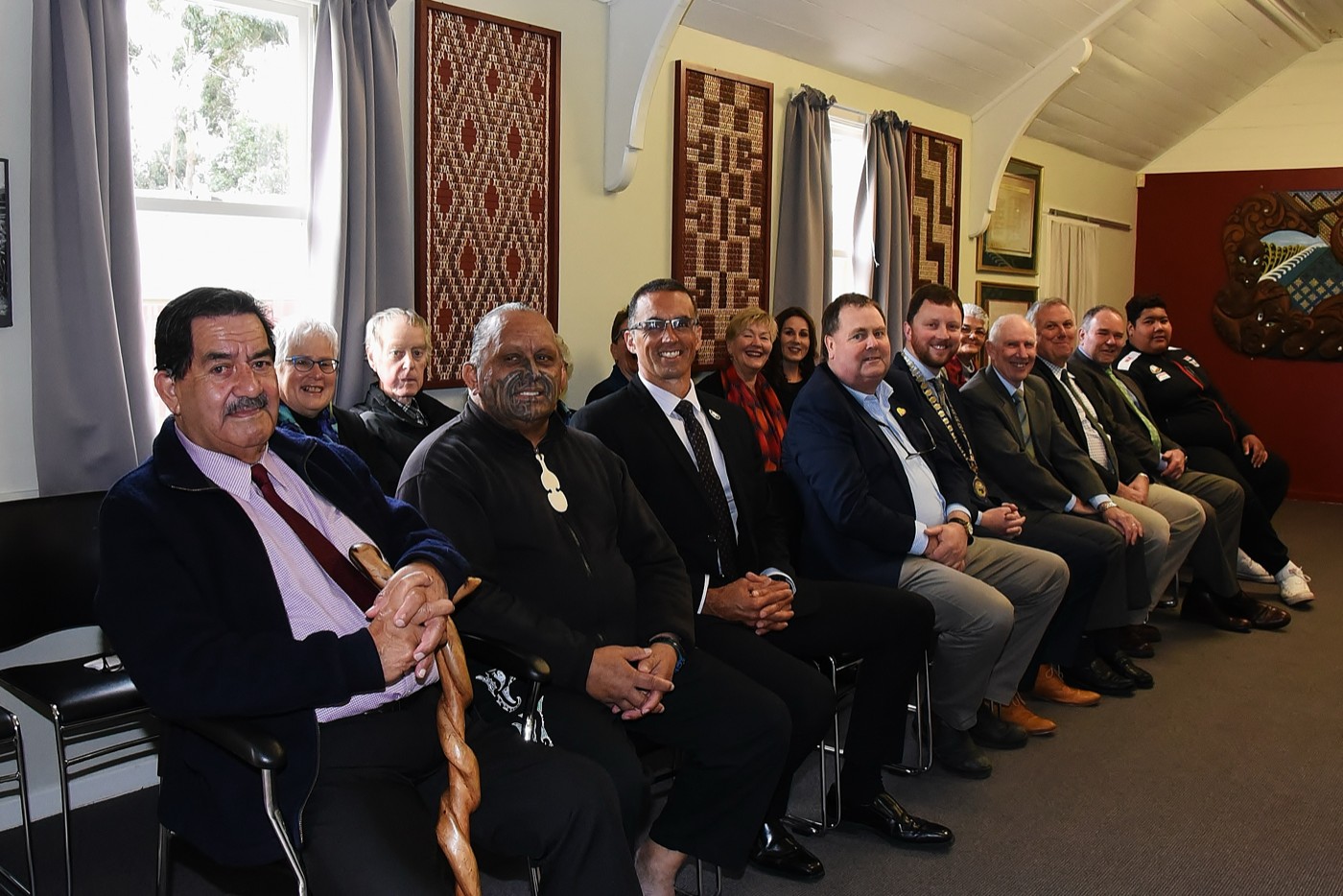
Te Whare Mahara will operate as a day centre after consent and refurbishment work is completed. The Selwyn Foundation said mana whenua Ngāti Mahunga led the ceremonial turning of the sod and blessing at 21 Ridout Street in Kirikiriroa, followed by a memorandum of understanding between Te Kōhao Health and The Selwyn Foundation at Kirikiriroa Marae. The centre is intended to provide daytime respite care supported by experienced kaimahi.
The philosophy matters as much as the service type. Te Kōhao Health managing director Lady Tureiti Moxon told RNZ that kaumātua did not want to go to a clinical space, but to a house, a home. The respite service is designed to integrate te reo Māori, tikanga and mātauranga Māori into care. That approach recognises that memory, identity, language, food, waiata, whakapapa and routine can all shape whether a person feels safe.
For whānau carers, the practical benefit may be relief during the day. Moxon said whānau often look after their own with love, but the responsibility can be exhausting. Day respite can give carers time to work, rest, attend appointments, manage households or simply recover enough to keep caring. Without that support, families can be pushed into crisis or forced toward residential care before they are ready.
The centre also challenges a common assumption that specialised care must always look institutional. A kaupapa Māori model can still be professional, safe and clinically informed while feeling culturally grounded. That distinction is important for services trying to reduce inequities. If people avoid support because it feels alienating, then the service design is part of the access problem.
The Selwyn Foundation says Te Whare Mahara is the first of several Māori-led wellness centres it wants to develop in partnership with iwi and Māori provider organisations. If the model succeeds, it could influence dementia care beyond Waikato by showing how respite, cultural connection and community-based support can sit together.
The opening will not solve the national dementia challenge by itself. Workforce, funding, diagnosis, transport and carer support remain large issues. But Te Whare Mahara points to a more humane direction: care close to home, shaped with Māori for Māori, and designed to support both kaumātua and the whānau who carry them. That is a lifestyle change as much as a health-service change.