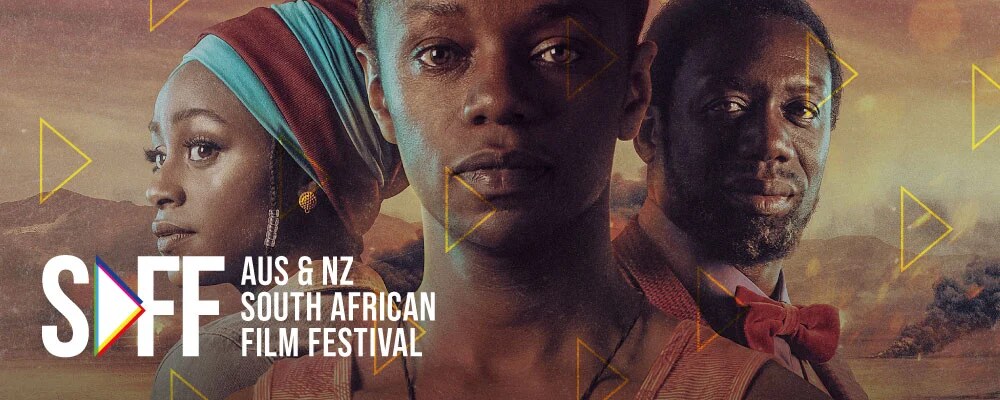
The South African Film Festival has opened its 2026 Australia and New Zealand season, giving local audiences a month of cinema and online screenings from 21 June to 26 July. ScreenHub reported that the festival is presenting South African features, documentaries and shorts across the programme, with a mix of in-person and online options. For New Zealand audiences, the event is a timely reminder that film festivals can be cultural bridges as well as entertainment calendars.
The programme is led by films including Embeth Davidtz's directorial debut, Don't Let's Go to the Dogs Tonight, adapted from Alexandra Fuller's memoir, along with titles such as Lucky Fish, Pangolin: Journey to Freedom, Squashbox and Runs in the Family. The range matters because it avoids presenting one narrow version of South African storytelling. Drama, comedy, documentary, music and environmental stories all give audiences different entry points.
The festival's New Zealand angle is practical. A cinema event can gather diaspora communities, film lovers and curious audiences in one place, while online screenings make the programme accessible beyond the main venue. That hybrid model is increasingly important for niche festivals because geography can otherwise limit attendance. People outside the largest centres can still participate if the rights and platform allow it.
There is also a charity dimension. ScreenHub reported that the not-for-profit festival raises money for Education Without Borders, which supports youth education and mentorship programmes in South Africa. That gives the event a purpose beyond ticket sales. Audiences are not only buying access to films; they are supporting a cultural and educational link between countries.
For event organisers, the festival shows how smaller cultural programmes can compete for attention without needing stadium-scale budgets. The offer is specific: South African stories, a defined festival window, a clear beneficiary and a mix of cinema and online viewing. Specificity can be a strength because it tells audiences exactly why the event exists and who it is for.
For New Zealand's screen sector, international festivals also help widen the conversation. Local filmmakers and audiences benefit from seeing how other countries tell stories about identity, history, family, landscape, politics and change. South Africa and New Zealand are different places, but both have complex colonial histories, multilingual communities and strong debates about land, justice and belonging. Film can let those parallels appear without turning every screening into a lecture.
The challenge for audiences is discovery. A festival that runs for several weeks can still be missed if people do not know which films are in cinemas, which are online and which require booking early. Clear schedules, simple ticketing and strong community outreach will decide whether the programme reaches beyond people who already follow film news.
The opening of the festival is therefore a useful Events story for Newsroom NZ. It gives readers something current to attend or stream, but it also points to the role of cultural festivals in winter: bringing people together around stories they might not find on mainstream platforms. In a crowded content market, a curated festival remains one of the best ways to make unfamiliar voices visible.