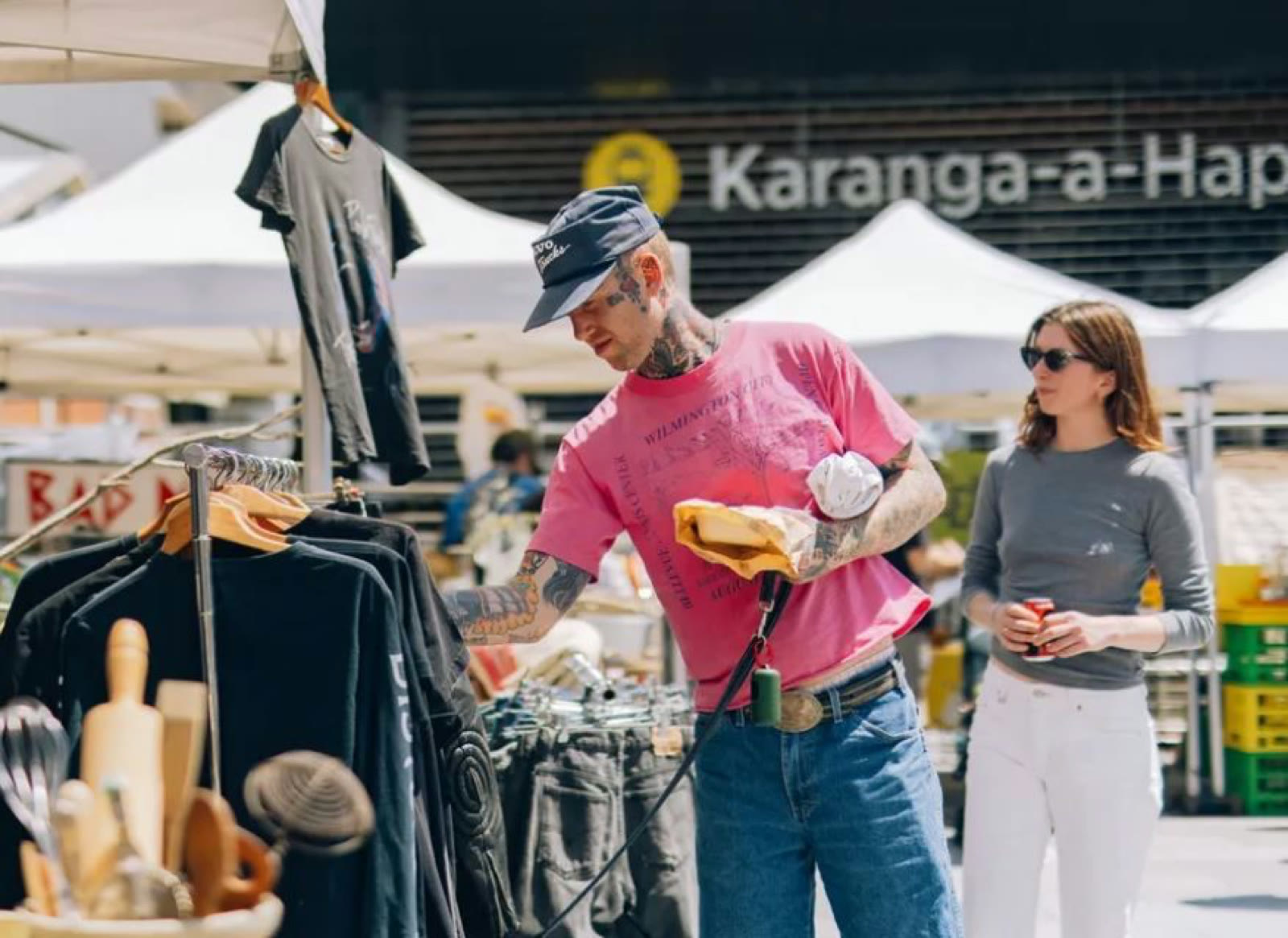
Wellington's Loemis festival is keeping food and drink inside the city's winter event conversation. WellingtonNZ lists Loemis from 9 to 21 June 2026 and describes it as a midwinter, multi-night, multi-venue and multi-sensory arts festival. The listing includes food alongside sculpture, immersive art, music, poetry and film, with a night market and pop-up restaurants among the programme elements.
That matters because winter is a difficult season for hospitality. Cold evenings, short daylight and household cost pressure can make people stay home. A festival gives diners a reason to go out that is stronger than convenience. They are not only buying dinner; they are joining a seasonal city experience.
For food operators, that context can turn a quiet winter week into a window for visibility. Loemis is useful because it does not treat food as decoration. Food can carry memory, ritual, place and comfort, especially during midwinter. A market stall, a pop-up dinner or a drink before a performance can be the easiest entry point for people who might not buy a formal arts ticket. That makes hospitality part of audience development, not just a service beside the main event.
For Wellington, the connection between food and arts is commercially important. The city has built a reputation around compact nightlife, coffee, restaurants, bars and creative venues. If winter festivals can bring those elements together, they support more than one sector at a time. Accommodation, taxis, public transport, performers, venues and small food producers can all benefit when a programme gives people a reason to move through the city.
The accessibility question should not be ignored. Festival food can become expensive or hard to navigate if pricing, dietary information, transport and booking details are unclear. A strong food programme should help casual visitors understand what they can attend, what it costs, whether children are welcome, and how weather will be handled.
For small producers, pop-up events can be valuable but demanding. They offer exposure, but they also require staffing, compliance, preparation, transport and stock decisions. Organisers can support them by making logistics clear and by promoting the food programme as part of the festival rather than leaving vendors to carry attention alone.
The national lesson is that winter food programming does not need to be timid. New Zealand towns and cities often wait for summer to celebrate outside dining and markets. Loemis shows another model: embrace the cold, build an atmosphere around it, and make food part of the seasonal story.
For readers, the practical advice is to check the official Loemis programme before attending because venues, tickets and times vary. For the food and drink sector, the bigger message is already clear. When food is tied to place and season, it can help a city feel alive when winter would otherwise narrow the calendar.
Food coverage should also treat these events as more than lifestyle colour. Hospitality is a serious local employer, and winter programming can affect rosters, supplier orders and revenue. A well-attended market may help a small operator test a new dish, build mailing-list interest or reach customers who would never find a permanent venue. That makes the festival an economic story as well as a cultural one.