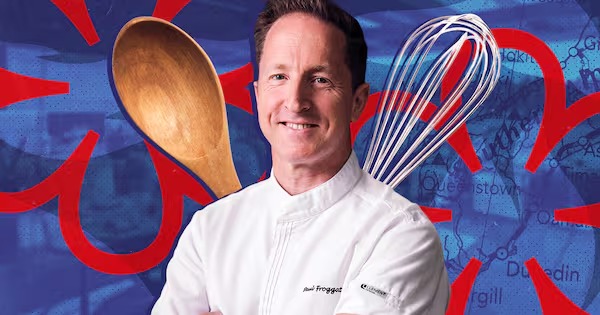
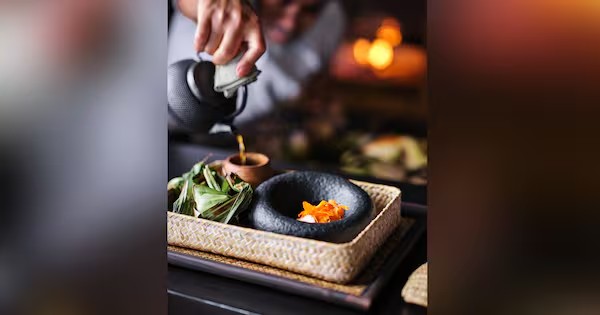
Henry Onesemo and Tala have given New Zealand's first Michelin Guide a defining food story, after the Auckland restaurant became the only Samoan restaurant in the world to receive a Michelin star. Fifteen New Zealand restaurants were awarded stars at the inaugural ceremony in Auckland, with winners spread across Auckland, Wellington, Christchurch and Queenstown.
The result matters because Michelin's arrival in New Zealand was always going to be measured against two questions. Would the guide recognise local character rather than only familiar fine-dining formats, and would it help the hospitality sector tell a more confident international story? Tala's recognition gives the first selection a strong answer. It places Samoan food, not just European-influenced tasting menus, in the centre of the national dining conversation.
Onesemo, Tala's co-owner and executive chef, said it was an honour and that Samoa deserved a place on the international culinary stage. That statement captures the cultural weight of the award. Food recognition is never only about the plate. It is about ingredients, technique, memory, migration, family, producers, service, language and the confidence to present a cuisine on its own terms.
The wider list shows a concentrated but varied first selection. Auckland winners included Tala, Ahi, The Estate, Mudbrick, Paris Butter and Tantalus Estate Restaurant. Wellington restaurants included Jano Bistro, Logan Brown and Ortega Fish Shack. Christchurch had Inati and Tussock Hill. In the Queenstown-Wanaka region, winners included Amisfield, Essence, Kika, Rata and Sherwood, with Essence receiving two stars.
For diners, the Michelin list will become a map. People will book tables, compare regions and ask which restaurants are worth travelling for. That can be powerful for tourism, especially when combined with wine, events, scenery and city breaks. But it can also create pressure. Bookings can surge faster than staffing, supply and service systems can handle, and restaurants that receive attention may need to protect quality while managing new demand.
For the hospitality sector, the milestone lands after years of difficult trading conditions: labour shortages, ingredient costs, rent, insurance, changing consumer habits and uneven discretionary spending. A Michelin star does not pay every bill, and most restaurants will never be listed. Still, the guide can lift the market's confidence and signal to young chefs that New Zealand is a place where ambitious food careers can be built.
The risk is that awards narrow public attention to a small tier of venues. New Zealand's food identity is also fish and chips, bakeries, marae kai, Pacific food, South Asian kitchens, Chinese restaurants, farmers markets, coffee carts, wineries, pubs and neighbourhood cafes. Michelin recognition should widen curiosity about food here, not make diners think only starred rooms matter.
Tala's star is the strongest argument for that wider view. It says New Zealand's first Michelin moment can be global without being generic. If the guide helps more people understand the range of food cultures operating here, then the first selection will have done more than name winners. It will have changed how New Zealand food is seen.