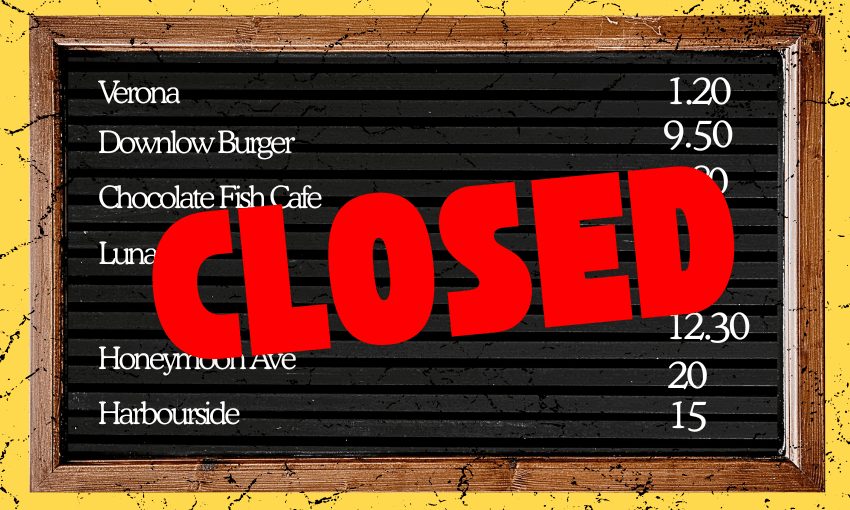
New Zealand's food and drink sector is carrying a harder winter story than a simple list of restaurant openings and closures. The Spinoff's recent analysis of hospitality pressure cites 414 hospitality liquidations in the past year, using figures from Centrix Credit Bureau's Credit Indicator Report. The same piece notes that hospitality spending in May was up 3.5 percent on April, which makes the picture more complicated than a straight downturn. Diners are still going out, but operators are absorbing rent, wages, food costs, power bills, debt and uneven customer demand.
That tension is the real story for cafes, restaurants, bars and takeaway operators. A busy Saturday night does not always save a business if weekdays are thin, supplier bills are rising or debt from earlier years is still sitting on the books. Hospitality has always been a low-margin sector, but recent years have made the margin thinner. Cheese, butter, meat, coffee, insurance, utilities and borrowing costs all matter. So do staff shortages, changing work-from-home patterns and customers who want to go out but are watching every discretionary dollar.
The Centrix liquidation figure gives the pressure a hard edge. Liquidation is not a vibe; it is an endpoint. Behind each closure are owners, staff, landlords, suppliers and customers. Some closures reflect weak concepts or poor management, but many reflect a wider squeeze that hits even competent operators. The sector can look lively from the street while still being financially fragile behind the counter.
For diners, the practical consequence is choice. If local restaurants are to survive, they need predictable custom, not only viral bursts of support after a closure announcement. That does not mean households should spend money they do not have. It means people who can afford to eat out should understand that choosing an independent cafe, booking midweek, cancelling early if plans change, and buying directly rather than through high-fee platforms can make a difference.
For operators, the message is not simply to work harder. Many already are. The stronger response is sharper management: shorter menus where necessary, clearer pricing, better roster control, active supplier negotiation, honest opening hours and direct communication with customers. Some restaurants may need to choose between being everything to everyone and being sustainable. A smaller, more reliable operation can be better than a broad concept that bleeds cash.
There is also a policy and precinct issue. Hospitality helps make city centres and town centres feel alive. When cafes and restaurants close, the loss is not only private business failure; it changes streets, night-time activity, employment and local identity. Councils, landlords and business associations should be paying attention to whether settings around rent, parking, events, licensing and street works are helping or hurting small food businesses.
The winter food and drink story is therefore mixed. Spending has not vanished, and new venues still open. But 414 liquidations in a year is a warning sign that demand alone is not enough when costs and debt are heavy. New Zealand diners will keep looking for good food and good value. The question is how many independent operators can stay open long enough to serve it.