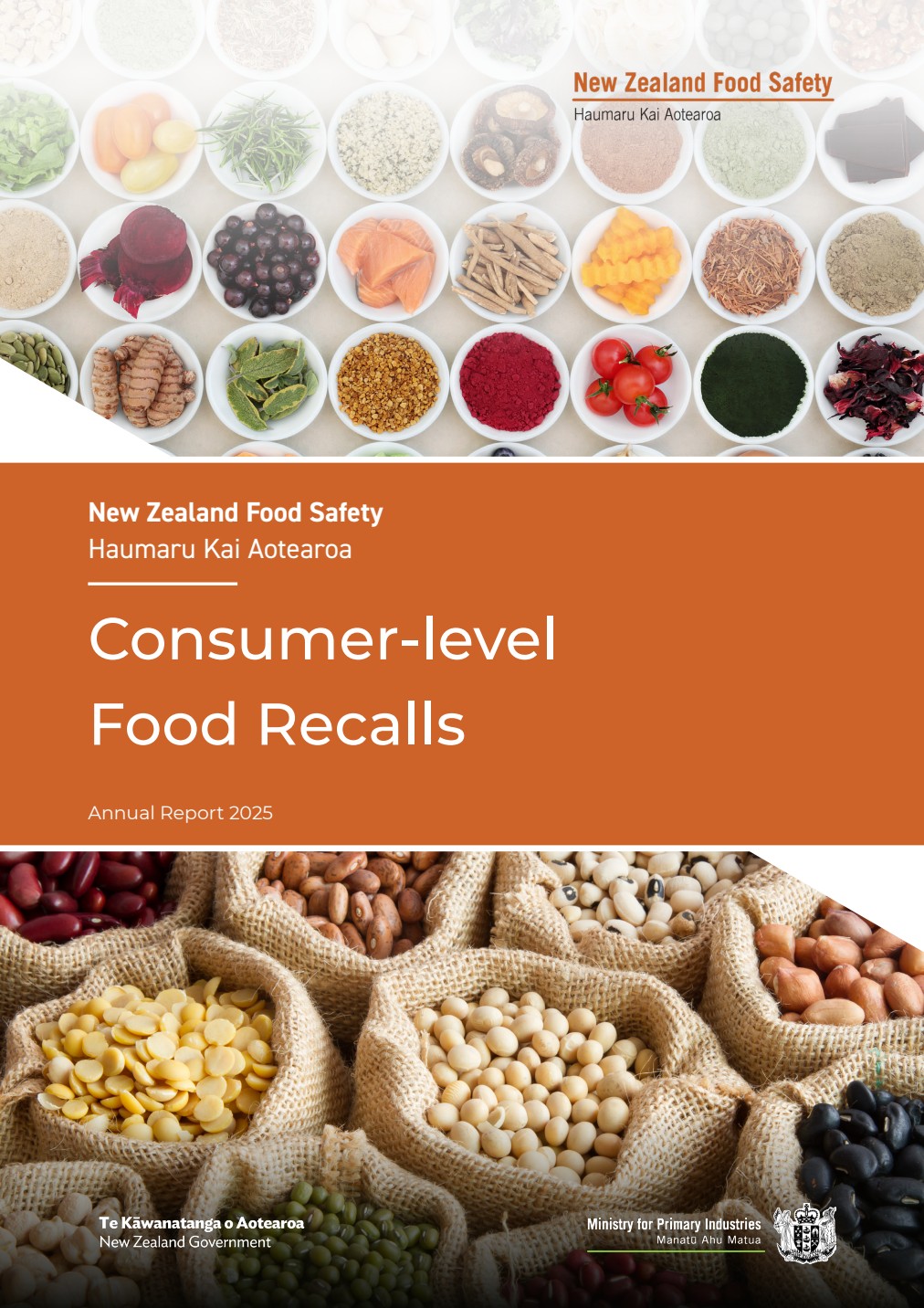
New Zealand Food Safety's latest recall reporting has put a familiar food-and-drink risk back in front of shoppers and food businesses: undeclared allergens. MPI's media release said the annual report identified the recall of 27 products due to metal fragments in peanut ingredients as last year's highest-profile incident, while the recall report confirms allergen issues remained the leading cause of consumer-level food recalls in 2025.
For consumers, the headline is not that the food system is failing. It is that recalls are one of the tools that make the system visible. Food recalls happen when a product may be unsafe or unsuitable, and they depend on businesses, regulators, suppliers and retailers moving quickly enough to protect people. The most common reason being allergens matters because the risk can be serious for a small group of people even when the product appears normal to everyone else.
Allergen recalls are often about labelling, ingredient control or packaging errors. A product may contain milk, egg, gluten, soy, peanuts, tree nuts, sesame or another allergen that is not declared clearly enough for a person who needs to avoid it. For most shoppers, the difference may seem technical. For someone with a severe allergy, it can be the difference between a safe snack and a medical emergency.
The peanut-ingredient metal-fragment incident shows another side of the system. Physical contamination can travel through supply chains and affect multiple products if a common ingredient is used by several manufacturers. That is why traceability matters. When an ingredient problem is identified, businesses need to know where it went, what products used it, which batches are affected and which retailers or food-service customers received it.
Food businesses should read the report as a practical checklist. Supplier assurance, ingredient records, label approvals, packaging controls, staff training and recall plans are not paperwork for paperwork's sake. They are the systems that let a business respond before a problem becomes bigger. A small producer can be hit just as hard as a national brand if it cannot trace ingredients or contact customers quickly.
For hospitality operators, the lesson is also about communication. Allergen information must be accurate at the counter, on menus, in online listings and in staff answers. A recipe change, substitute ingredient or supplier switch can alter the allergen profile of a product. Busy kitchens and seasonal menus make that harder, but the customer risk does not shrink because service is busy.
For shoppers, the practical advice is to check recall notices if a product is named, follow return or disposal instructions, and contact the supplier or retailer when in doubt. People with allergies should keep reading labels even on familiar products because formulations and suppliers can change. That is frustrating, but it remains one of the safest habits.
The report is a reminder that food safety is not only about dramatic outbreaks. It is also about quiet, routine systems that catch wrong labels, contaminated ingredients and unsafe products before more people are harmed. In a country that depends on food trust at home and overseas, those routine systems deserve attention.