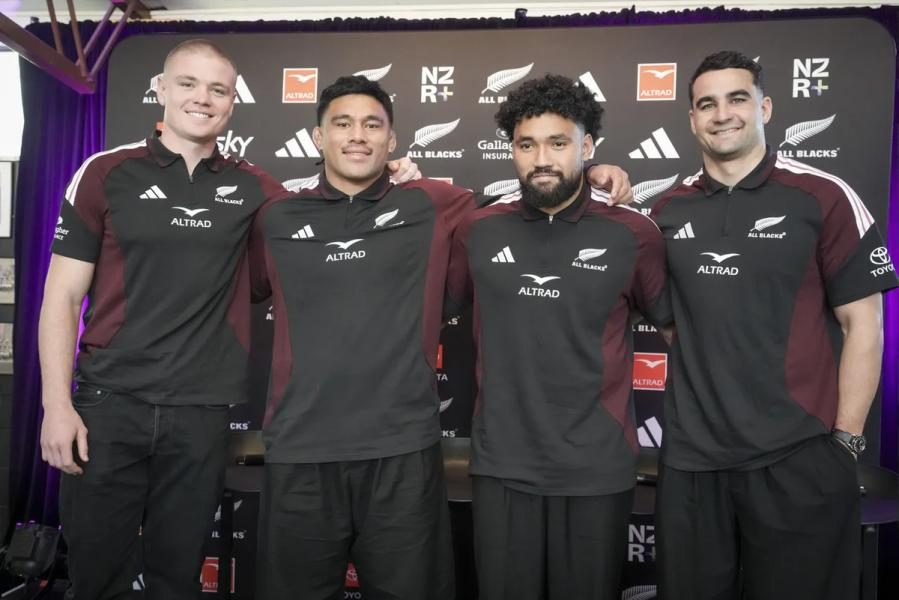
Ardie Savea has been named All Blacks captain for 2026, giving New Zealand rugby a clear leadership headline as a 34-man squad prepares for the Nations Championship Southern Series. New Zealand Rugby's squad announcement says Savea will lead the side through a July programme against France, Italy and Ireland. The appointment is a significant sporting marker because it gives the All Blacks a permanent captaincy reference point at the start of a new international window, rather than leaving leadership as an open weekly question.
The squad announcement lands at a busy moment for rugby followers. The Nations Championship format gives July fixtures a sharper competitive frame than a simple mid-year tour. France, Italy and Ireland offer different tests: French power and depth, Italian improvement and ambition, and Irish structure and pressure. For New Zealand, the series is an early measure of whether the All Blacks can turn selection depth into settled combinations before the year becomes more crowded.
Savea's captaincy is also a signal about the style of leadership the selectors want. He is an established senior player, a regular high-impact performer and one of the most recognisable figures in the New Zealand game. Naming him captain allows the squad to build around someone whose credibility comes from repeat performances rather than only public messaging. That matters because modern All Blacks leadership is judged inside and outside the changing room: tactics, discipline, media pressure, set-piece response and the ability to hold a group steady when momentum shifts.
The 34-man selection gives the coaches room to manage form, injuries and combinations. It also means competition for places will remain part of the story. A named squad does not settle the match-day 23, and the July fixtures will test whether newer players can force their way past incumbents. For supporters, the immediate questions will be familiar: who starts in key playmaking roles, how the loose forward mix works around Savea, whether the tight five can control the platform, and how the outside backs are balanced against opposition kicking and counterattack threats.
The official announcement should also be read as a commercial and public-interest moment. All Blacks squad naming still cuts through in New Zealand in a way few regular sports announcements can. It shapes ticket demand, broadcast attention, local club conversations and schoolyard debate. In a winter news cycle full of weather warnings, household costs and property caution, the first full All Blacks squad of the year provides a national sports story with a clear date and a clear leader.
There is pressure attached to that clarity. Savea inherits the captaincy in a period when the All Blacks are judged not only by wins but by whether they look like they are building toward a coherent next phase. The Nations Championship Southern Series will not define the whole year, but it can set the tone. Strong performances would give the team confidence and supporters a sense of direction. Loose or inconsistent showings would make the captaincy and selection choices immediate talking points.
For now, the headline is direct: Savea is the captain, the 34-man group has been named, and the July series has a leadership structure. The next step is performance. New Zealand Rugby has supplied the list and the timetable. The All Blacks now have to show what this group looks like under pressure.