Winter illness is moving back into everyday household planning, with New Zealand experts warning that respiratory infections are beginning to increase across the country. The Science Media Centre's recent expert reaction said rhinovirus and RSV were among the most commonly detected respiratory viruses, while Healthline calls for influenza-like illness were rising as winter began. The point for families is practical rather than dramatic: flu, Covid-19 and RSV do not need to be at peak levels before households make a plan.
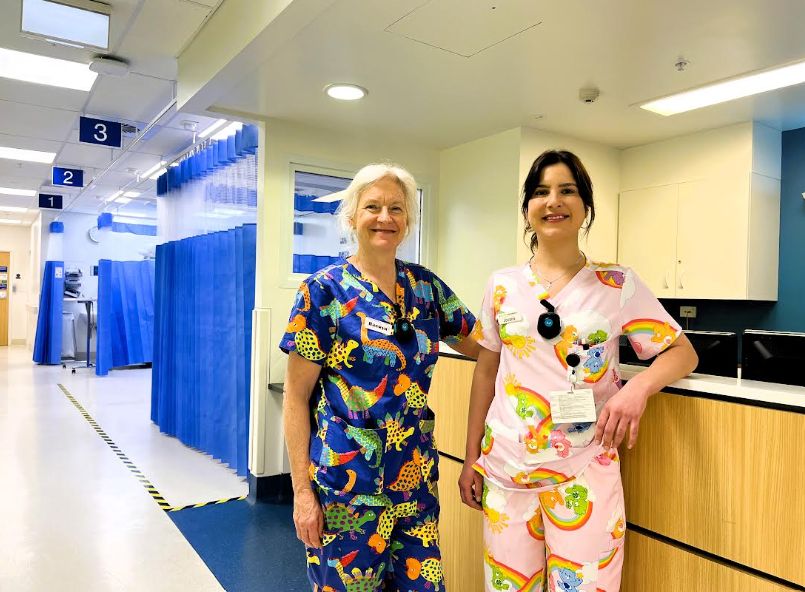
Health New Zealand's Winter Plan 2026 sets out the wider system context. It says winter respiratory illnesses place pressure on emergency departments, hospitals, GPs and community services, and that this year's plan is built around prevention, primary care, emergency departments and hospitals, and timely discharge. That may sound like health-system language, but it translates into ordinary decisions: get vaccinated if eligible, use primary care early, know where to seek advice, and do not wait until symptoms are severe before thinking about options.
The flu vaccine remains a central part of the advice. Health New Zealand says the vaccine is available from 1 April each year and recommends annual flu immunisation for everyone over six months old. It is free for higher-risk groups, including people aged 65 and over, pregnant people, and people with certain long-term conditions. Pharmac's 2026 flu-season guidance also confirms that the funded vaccine is available for those most vulnerable to becoming very sick, and says there is ample supply for eligible people.
The household issue is that eligibility and timing can be confusing. Parents may need to check whether young children require one or two doses. People with chronic conditions may need to ask whether they qualify for a free vaccine. Older relatives may need help booking. Workers may need to ask whether an employer voucher is available. None of those steps is difficult on its own, but they become harder when someone is already unwell or the household is juggling school, work, transport and care responsibilities.
The expert reaction gathered by the Science Media Centre also points to the social side of winter illness. Multigenerational living, crowded housing, poor ventilation and underlying health conditions can make some communities more vulnerable. That means lifestyle advice cannot stop at telling people to wash hands and stay home. It needs to recognise that not everyone can isolate easily, take time off work, heat a home well or access appointments quickly.
Still, there are useful steps most households can consider. Keep basic medicines and masks available. Ventilate rooms where possible. Make a plan for who can collect groceries or prescriptions if someone is sick. Check vaccine eligibility through official channels rather than social posts. Teach children that staying home when sick is not a punishment. Employers can help by making sick-leave expectations clear and not rewarding people for turning up unwell.
The winter lifestyle story is ultimately about reducing avoidable strain. Vaccination will not prevent every infection, and no household can control every exposure. But preparation can reduce severe illness, shorten confusion, and keep people away from emergency departments when primary care or pharmacy advice is more appropriate. As respiratory bugs increase, the best time to make those decisions is before the house is already sick.