A Health and Disability Commissioner finding on a misplaced spinal screw has renewed scrutiny of how New Zealand’s health system follows patients after serious surgery and how quickly it responds when a patient says something is wrong.
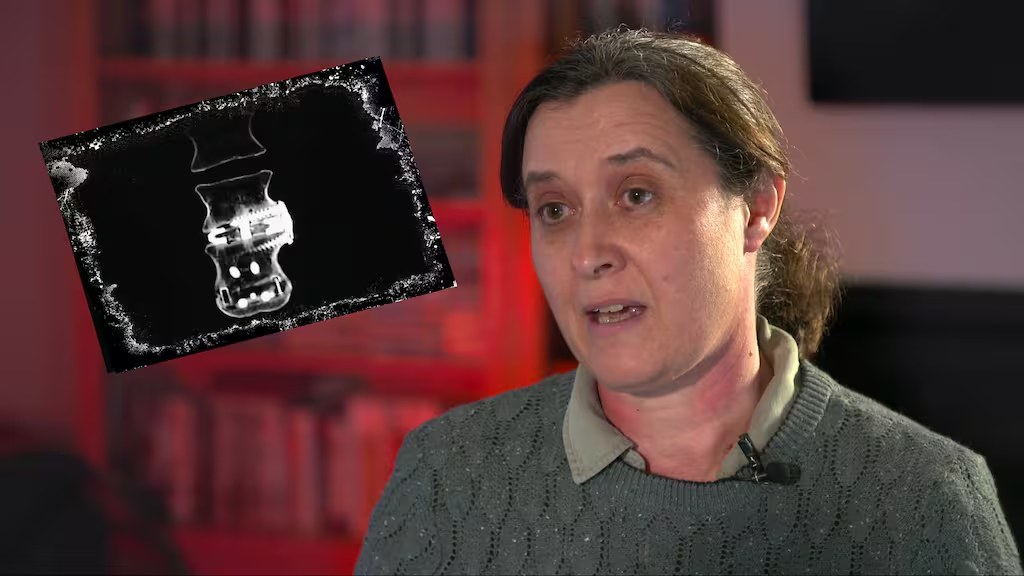
1News reported that patient Jacoba Vaessler had a screw misplaced during spinal surgery, with the problem later identified after ongoing pain and further investigation. The case eventually led to findings by the Health and Disability Commissioner and a wider account of a patient who lost confidence in the local system.
The immediate harm is medical, but the wider issue is communication. Serious surgery always carries risk, and complications can happen even when clinicians act carefully. What patients need afterwards is a follow-up pathway that listens, checks, explains and escalates when symptoms do not match the expected recovery.
In cases involving the spine, delays can be especially frightening. Pain, mobility limits and uncertainty about nerve or structural damage can affect work, family life and mental health. A patient who feels dismissed may start seeking answers elsewhere, which can add cost and delay to an already difficult situation.
The Health and Disability Commissioner process matters because it turns an individual complaint into system learning. A finding does not undo the harm, but it can make expectations clearer for documentation, informed consent, post-operative review and the duty to respond when recovery is not progressing.
For hospitals and specialists, the case is a reminder that technical care and relationship care cannot be separated. Imaging, surgical notes and review appointments are clinical tools, but so is trust. When a patient reports persistent or worsening symptoms, the system has to show it is curious enough to check again.
The public-health lesson is not to make every surgical complication sound like negligence. It is to make the follow-up system robust enough that complications are found early, explained honestly and managed with the patient rather than around them. That distinction matters for patients and clinicians alike.
New Zealand’s health workforce is already under strain, but pressure cannot be allowed to normalise thin communication after high-risk procedures. This case should prompt services to ask a simple operational question: if a patient leaves surgery and then keeps saying the outcome feels wrong, how many chances does the system give itself to hear them before trust is gone?